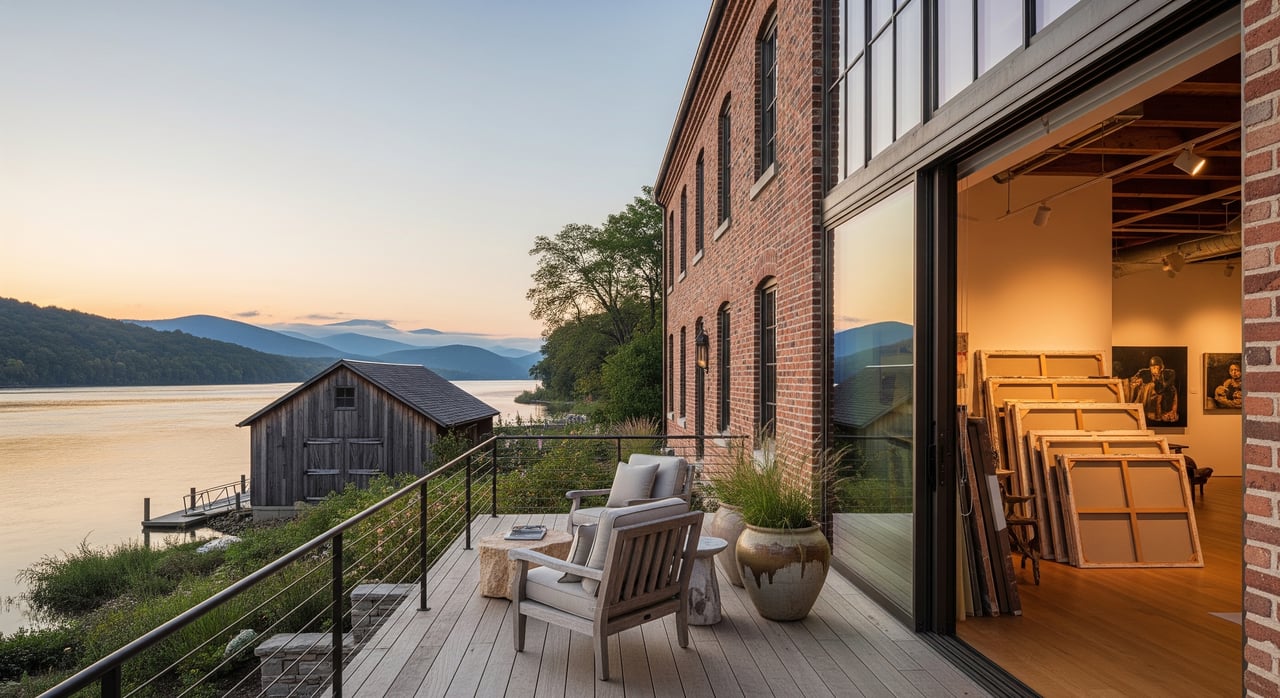
Living In Catskill, NY: Riverfront, Arts And Daily Life

Living In Catskill, NY: Riverfront, Arts And Daily Life

Thinking about life on the Hudson where art, history, and small‑town rhythms meet? If Catskill, NY has caught your eye, you are not alone. Moving to a new place is a big decision, and it helps to picture daily life before you commit. In this guide, you’ll learn what it feels like to live in ZIP 12414, from riverfront walks to dining, arts, seasons, and buyer essentials. Let’s dive in.

Where Catskill sits on the Hudson

Catskill sits on the west bank of the Hudson River at the mouth of Catskill Creek in Greene County. The village’s compact downtown hugs the river, while town neighborhoods stretch inland to more rural settings. You’ll interact with different municipal layers depending on a property’s address, including the Village of Catskill, the Town of Catskill, Greene County, and New York State. Zoning, utilities, trash service, and certain permits can differ between village and town parcels, so verify the exact location when you evaluate a home.

Walkability and riverfront access

The walkable heart of Catskill is its downtown core around Main Street and the river. Shops, cafes, and services cluster here, and riverfront parks and informal promenades are usually a short stroll away. Outside the core, walkability becomes more block by block, and you will likely drive for groceries, home goods, and appointments. The waterfront is a daily backdrop for many residents, with walking, fishing, and seasonal events when the weather cooperates.

Everyday shopping and services

Day to day, you’ll use a mix of local independent businesses and regional centers in the Hudson Valley. Many residents pair a quick coffee and errands downtown with occasional trips to larger grocery stores or specialty retailers in nearby towns. Medical centers and big‑box options are typically outside the village. If you are evaluating a specific address, map your key drives during the hours you’ll actually travel.

Arts and culture you’ll feel daily

Catskill is woven into the story of American art as the home of the Hudson River School. The town’s cultural anchor is the Thomas Cole National Historic Site, which hosts exhibitions and programs that connect local life to national art history. Explore current programming on the site’s calendar at the Thomas Cole National Historic Site. Around town and throughout Greene County, you’ll find artist studios, small galleries, rotating shows, and seasonal art walks that create a steady, creative buzz.

Community performance spaces and small music venues add to the mix. Outdoor concerts and festivals pop up more often in warm months. Event schedules change year to year, so check local calendars and tourism listings when you plan your weekends.

Dining, cafes, and markets

Expect a friendly, independent dining scene. Cafes, bakeries, casual restaurants, and seasonal pop‑ups give you choices for an easy lunch or date night. During spring and summer, outdoor tables fill quickly and riverfront dining becomes a favorite treat. Farmers markets and regional producers support a local food culture that shines in warm months.

Outdoor recreation in every season

The Hudson River and Catskill Creek are everyday playgrounds for walking, running, fishing, and casual boating. Many residents use public launches or marinas, and regulations can vary by location. If you plan to bring a boat or paddlecraft, confirm launch sites and rules with county or state agencies. For mountain adventures, Catskill is a gateway to hiking, biking, and fishing throughout the Catskill Park; trail info and conditions are available on the NYS DEC Catskill Park page.

Spring and summer bring the busiest social season with outdoor dining, markets, and events. Fall foliage draws visitors and adds energy to downtown weekends. Winter quiets the pace, and many residents head to regional winter sports while local groups host indoor gatherings. Snow and freeze–thaw cycles can affect drive times on smaller roads, so plan ahead on storm days.

Housing and neighborhood basics

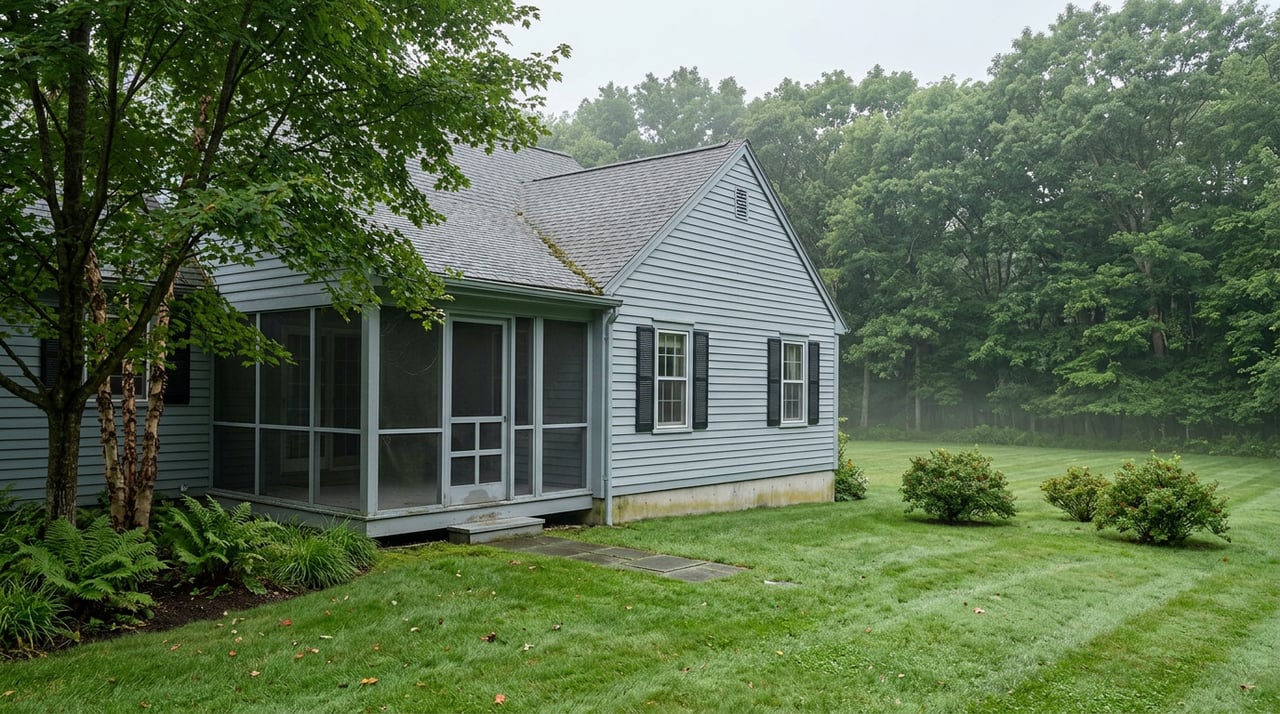
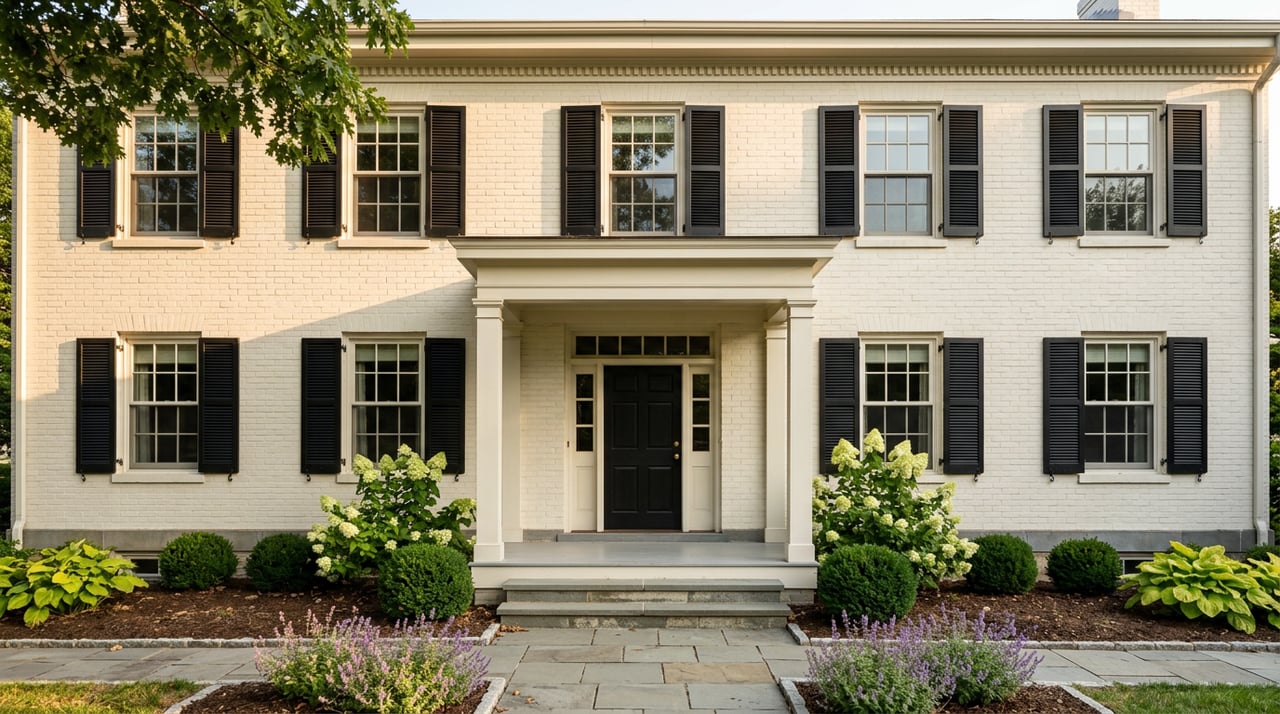
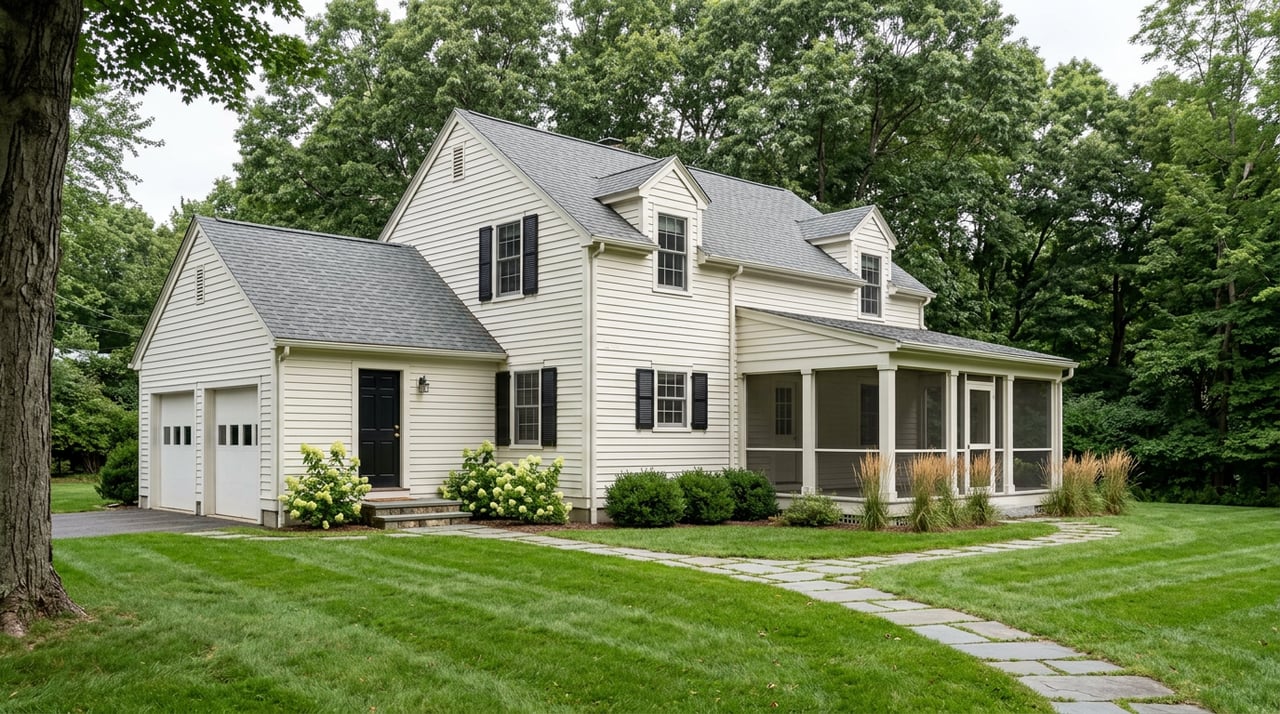
You’ll find a mix of housing across 12414. Near downtown, historic homes and some multi‑family buildings sit close to shops and the river. Further inland, you’ll see modest single‑family homes and rural parcels with more land. Riverfront properties form a distinct segment with unique costs, maintenance needs, and regulations.

Key buyer considerations include:

  • Flood risk and insurance. Some riverfront and low‑lying properties fall within FEMA flood zones. Review FEMA maps early and get flood insurance estimates during due diligence using the FEMA Flood Map Service Center.
  • Utilities and septic/well vs municipal. Village homes are more likely to have municipal water and sewer. Outlying town parcels may rely on private wells and septic systems. Confirm service type and request recent inspections.
  • Historic districts and exterior changes. Some properties may be inside historic districts or require preservation review for exterior work. Check local zoning and preservation rules before planning projects.
  • Commute and transit. Driving is the norm in small Hudson Valley communities. The nearest intercity rail options are typically at Hudson, Rhinecliff, or Poughkeepsie, so verify routes and schedules if rail access matters to you.
  • Renovation planning. Many buyers are drawn to historic homes. Contractor availability can vary by season. Get multiple bids and local references to keep timelines realistic.

Your buyer’s checklist for 12414

Use this quick list to keep due diligence on track:

  • Confirm whether the property is in the Village of Catskill or the Town of Catskill for taxes, utilities, and permits.
  • Request recent utility bills and, if applicable, septic and well inspection reports.
  • Review FEMA flood maps, ask for any elevation certificates, and price insurance.
  • Check school district boundaries and bus routes with the district.
  • Research local property tax rates and any special district assessments.
  • If the home is historic, review preservation guidelines before planning exterior changes.

Schools, libraries, and community resources

The area is served by the Catskill Central School District. For current attendance boundaries, calendars, and program details, visit the Catskill Central School District. The village library, community centers, and municipal offices support local programs and activities that shape neighborhood life. For families, it helps to contact the district and municipal offices directly to confirm specifics for your address.

Daily life by setting

Here is how daily rhythms can differ across the ZIP code:

  • Village core near Main Street. High walkability for coffee, dining, and errands. Riverfront paths are close, and cultural programming is easy to reach on foot. Parking can be tighter during events and peak seasons.
  • Inland town and rural areas. More space and a quieter setting. A car is essential for groceries, school, and services. Expect a more private feel and a closer connection to nature.
  • Riverfront parcels. Daily access to water views and breezes. Properties may have unique maintenance needs related to humidity and freeze–thaw cycles. Confirm floodplain status and insurance early in your search.

Is Catskill a fit for you?

If you want small‑town living with river views, active arts, and four‑season recreation, Catskill offers a balanced lifestyle. You can sip coffee on Main Street, spend afternoons on the water, and plan mountain hikes a short drive away. With varied housing, from historic village homes to rural retreats, you can choose the setting that fits your daily routine.

When you are ready to explore homes, partner with a local expert who knows the differences between village and town parcels, understands flood and utility details, and can guide you through historic property considerations. For calm, clear advice and a seamless search, connect with Natasha Witka at CENTURY 21 New West Properties.

FAQs

Is Catskill walkable for daily errands?

  • Downtown and the riverfront core are the most walkable, but many residents drive for groceries, medical visits, and trips outside the village center.

What should homebuyers know about flood risk in ZIP 12414?

  • Some riverfront and low‑lying properties are in FEMA flood zones. Review maps and insurance needs early using the FEMA Flood Map Service Center.

How are schools organized in Catskill, NY?

  • The Catskill Central School District serves the area; check boundaries, calendars, and programs on the district website before you buy.

How do you reach Albany or NYC from Catskill?

  • Driving is the primary mode. Nearby intercity rail stations include Hudson, Rhinecliff, and Poughkeepsie; verify current routes and schedules for your commute.

What is the arts scene like in Catskill?

  • The Thomas Cole National Historic Site anchors a lively arts ecosystem of galleries, studios, and seasonal events; see programs at the Thomas Cole site.

Where can you find trail info for the Catskills near Catskill?

  • The New York State Department of Environmental Conservation posts maps, regulations, and updates on the Catskill Park page.

Work With Us

We understand the significance of our area's rich history, breathtaking natural beauty, and the numerous investment opportunities it presents. Our experienced agents are well-versed in the local market, ensuring that you receive personalized attention and expert advice every step of the way.

Follow Us on Instagram