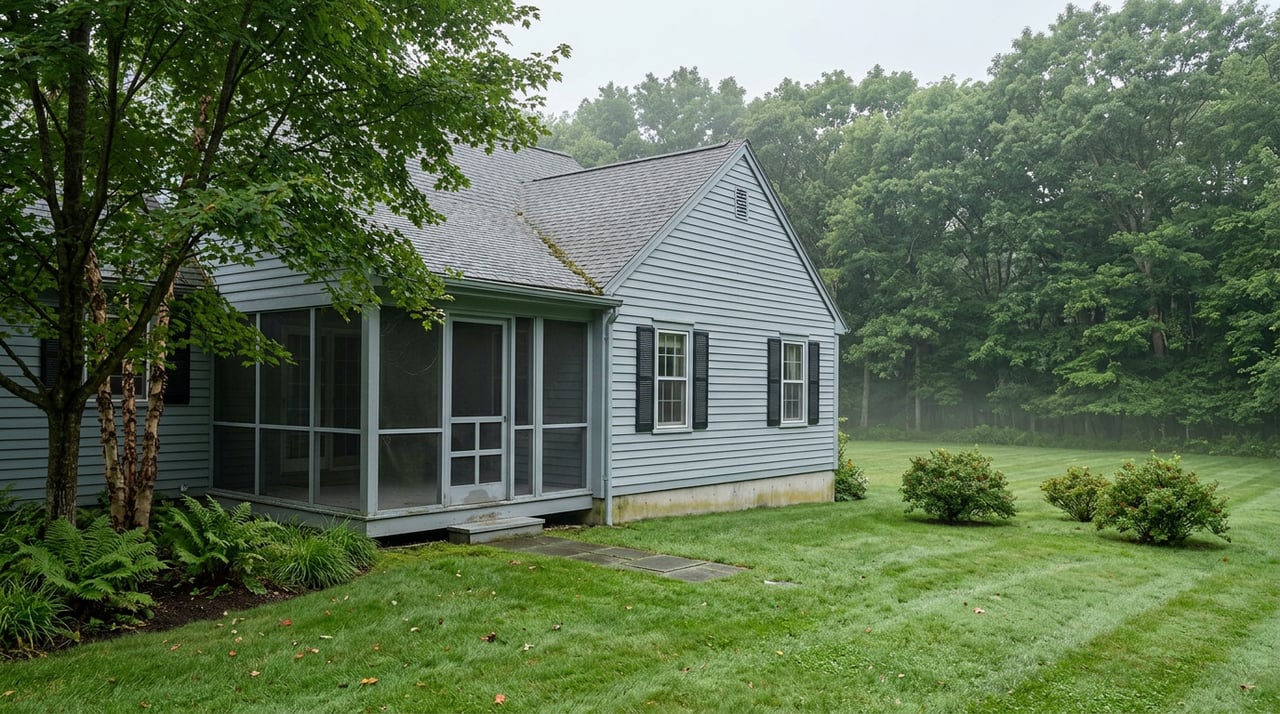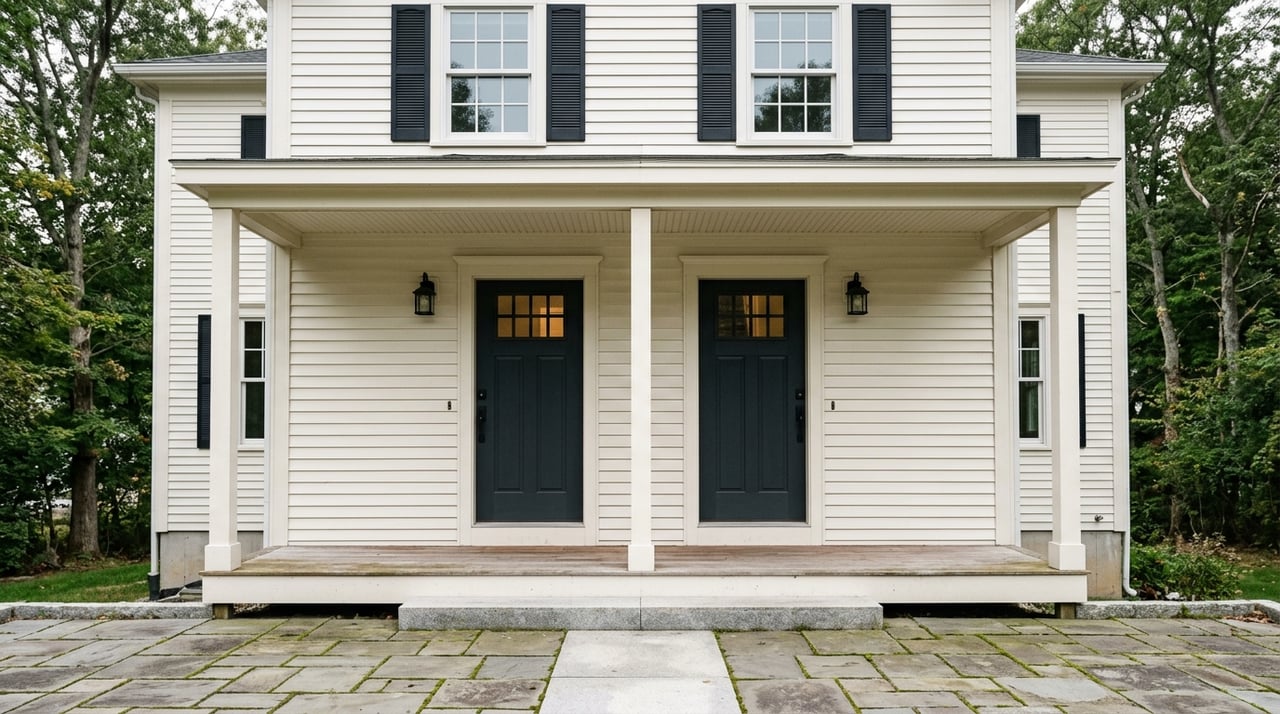
If you are torn between a single-family home and a small multifamily property in Catskill, you are asking the right question. The best choice is not just about price. It is about how you want to live, how much hands-on management you want, and what the property is legally allowed to be. This guide will help you compare both options in Catskill, NY so you can move forward with more confidence. Let’s dive in.
Why this choice matters in Catskill
Catskill gives you a mix of owner-occupied homes, village properties, and small investment opportunities, but the local rules are not one-size-fits-all. The market is also a bit mixed depending on the data source, which means buyers should focus on the big picture instead of chasing one headline number.
Recent market snapshots show a range. Redfin reports a median sale price of $337,000 over the last three months, while Realtor.com shows a median listing price in ZIP code 12414 of about $499,888 and a median rental price of $2,050 per month. Those figures are measured differently, so they work best as general context rather than an exact apples-to-apples comparison.
Catskill’s existing housing stock also helps frame the decision. Village-level ACS profile data show that 58% of structures are single-unit, 56% of occupied units are owner-occupied, and there are 1,943 housing units total. The median value of owner-occupied homes is reported at $242,500, which offers another useful point of reference.
Single-family vs multifamily basics
Before you compare properties, it helps to define the difference in practical terms. A single-family home is designed for one household. A small multifamily property usually means a two-family home or a building with two to four units.
In Catskill, that difference matters because zoning treats these uses separately. One-family, two-family, and multiple-dwelling uses are not interchangeable under local rules. What looks like a flexible property on paper may come with use limits, permit requirements, or review steps before you can occupy it the way you planned.
When single-family may fit better
A single-family home is often the better match if you want privacy, simpler day-to-day living, and fewer moving parts. You have one household using the whole property, which usually means less coordination around shared spaces, parking, and maintenance.
This option can also be easier to understand from a lifestyle standpoint. If your main goal is to settle into a home, personalize the space, and avoid landlord-style responsibilities, single-family often feels more straightforward.
In the Village of Catskill, one-family residences are allowed in all three residential districts, R-1, R-2, and R-3. In the Town, they are permitted by right in several districts as well. That broader allowance can make your property search less restrictive, though you still need to confirm the exact parcel and district.
When multifamily may fit better
A small multifamily property can make more sense if your goal is to offset monthly carrying costs with rent. For some buyers, living in one unit and renting the other is a practical way to ease the monthly budget while building long-term equity.
This setup can be especially appealing if you are open to a more hands-on ownership experience. Rent collection, maintenance coordination, and shared-property logistics become part of the picture, but so does the potential for income.
In the Village of Catskill, two-family houses are a special-permit use in R-1 and are allowed by right in R-2 and R-3. Multiple dwellings are allowed by special permit in R-2 and permitted by right in R-3. In the Town, two-family and multiple-family dwellings are more tightly regulated and may require site plan review or special permit approval depending on the zoning district.
The biggest factor: Town or Village location
One of the most important questions in Catskill is whether the property is in the Town, the Village, or another area tied to different local rules. This is not a small technical detail. It can shape what uses are allowed and how difficult approvals may be.
Catskill is effectively a two-jurisdiction market. Town code says zoning district boundaries follow village and town limits, and the Village comprehensive plan notes that the R-1, R-2, and R-3 residential districts cover more than 70% of the Village’s area.
That means you should never assume a two-family or three-plus-unit use is legal just because a building looks like it could support it. Parcel location comes first. Then zoning. Then any permit or review process tied to that use.
Comparing costs and income potential
Price is part of the decision, but it is rarely the only factor. In Catskill, a small multifamily property may cost more upfront than a single-family home, but it may also create rental income that helps offset your monthly carrying costs.
Using the current market range as context, Redfin reports a median sale price of $337,000, while Realtor.com shows a median listing price around $499,888 in 12414. Realtor.com also reports a median rental price of $2,050 per month. Those figures suggest why many buyers consider multifamily when they want income support built into the purchase.
Single-family homes usually offer simpler budgeting because you are not underwriting a tenant scenario. Multifamily can improve cash flow if rented successfully, but it also introduces more variables, including vacancy, upkeep, and legal use compliance.
Financing differences to know
Financing can differ in meaningful ways between the two options. Fannie Mae says rental income from a two- to four-unit primary residence can be used in qualifying, subject to lender documentation. That can make an owner-occupied multifamily purchase more achievable for some buyers.
There is also an important line to understand for owner-occupied rental property. The CFPB’s Regulation Z commentary says acquisition financing for owner-occupied rental property is considered business-purpose credit if the property contains more than two housing units. That is one more reason to ask detailed financing questions early if you are comparing a duplex with a three- or four-unit property.
Property taxes are parcel-specific
Do not compare single-family and multifamily taxes using a rough estimate alone. In Greene County, property taxes are not collected as one flat, simple bill structure.
According to the county treasurer, town and county property taxes, village taxes, and school taxes are handled through different collection windows. To compare two properties accurately, you need the actual parcel-specific tax bills and any exemption status tied to each property.
Renovations and conversions need extra care
Some buyers see an older single-family home and imagine converting it into more units later. In Catskill, that idea needs careful review before you build your plan around it.
The Village comprehensive plan specifically warns that conversions from single-family homes to more than two apartments can create overcrowding, parking shortages, solid-waste issues, and broader maintenance problems. It also states that converting a single-family home to four apartment units is effectively like rezoning a single-family neighborhood.
That does not mean every improvement is off the table. It does mean you should confirm what is legally possible before you buy, especially if your budget depends on a future conversion.
Permit needs for building work
If you expect to renovate, add units, or significantly alter the property, talk to code enforcement early. Town building-code administration says permits are required for work that must conform to the Uniform Code or Energy Code, including construction, enlargement, alteration, improvement, relocation, or demolition.
That applies whether you are buying a detached home or a small multifamily property. If your plan includes upgrades for safety, layout changes, or rental use improvements, permit requirements should be part of your due diligence from day one.
Short-term rental plans need review
If your multifamily strategy includes short-term rental income, check the rules before you make assumptions. In the Town of Catskill, a permit is required before any dwelling unit can be used as a short-term rental.
That permit process includes inspection and annual renewal. It is also tied to safety, egress, and off-street parking standards. The Town code further bars commercial events unless the parcel complies with separate commercial event venue rules.
For buyers hoping to blend personal use with rental income, this is a major planning point. The property may still work well, but only if the use fits the local rules.
Flood risk can affect either option
Flood exposure is a real Catskill-specific factor and should be reviewed for either property type. The Town’s flood-damage-prevention code applies to special flood hazard areas, and the Village plan notes flood history along waterfront land near the Hudson River and Catskill Creek.
That matters when you compare monthly costs, renovation plans, and future use. A lower-elevation property may still be attractive, but flood-zone review should happen early so you understand the full picture before closing.
A simple way to decide
If your top priorities are privacy, a more traditional owner-occupant setup, and simpler management, single-family is often the better fit. If your top priorities are rental income, house-hacking, or creating a small investment component in your purchase, multifamily may offer more upside.
In Catskill, though, the final answer usually comes down to four practical questions:
- Is the parcel in the Town or the Village?
- What zoning district applies to the property?
- Is the intended use allowed by right, or does it need a special permit or site plan review?
- Do parking, utilities, taxes, and flood risk support your plan?
Those local details often matter more than the label on the listing.
How to shop smarter in Catskill
As you narrow your options, keep your search grounded in both lifestyle and legal use. A property that looks like a great deal can become a poor fit if approvals, tax structure, or renovation limits do not align with your goals.
A smart buying process usually includes these steps:
- Confirm whether the property is in the Town or Village of Catskill.
- Verify the zoning district and permitted use.
- Review whether a two-family or multifamily setup needs a special permit or site plan review.
- Request parcel-specific tax information.
- Ask early about permit needs for planned renovations or conversions.
- Review flood hazard status, especially near the waterfront.
- Talk with your lender about how rental income may factor into qualifying.
When you work through those items upfront, you give yourself a much better chance of choosing the right property for the way you want to live and invest.
Whether you are looking for a classic single-family home or a small multifamily opportunity in Catskill, local details matter. The team at CENTURY 21 New West Properties brings boots-on-the-ground knowledge of Greene County and can help you evaluate properties with your goals, budget, and long-term plans in mind.
FAQs
In Catskill, is single-family or multifamily easier to buy?
- In general, single-family can be simpler because one-family residences are broadly allowed in Village residential districts and in several Town districts, while multifamily uses may require special permits or site plan review depending on location and zoning.
In Catskill, can you use rental income from a multifamily property to help qualify for financing?
- Yes, Fannie Mae says rental income from a two- to four-unit primary residence can be used in qualifying, subject to lender documentation.
In Catskill, does it matter if the property is in the Town or Village?
- Yes, it matters a lot because zoning rules differ between the Town and Village, and district boundaries follow those municipal limits.
In Catskill, can you convert a single-family home into more units later?
- Possibly, but you should verify zoning and permit requirements first, and the Village comprehensive plan specifically warns that conversions to more than two apartments can create parking, maintenance, and overcrowding issues.
In Catskill, do short-term rentals have separate rules?
- Yes, in the Town of Catskill a permit is required before any dwelling unit can be used as a short-term rental, and the property must meet inspection, safety, egress, and off-street parking standards.
In Catskill, should flood risk affect your buying decision?
- Yes, flood risk is relevant for both single-family and multifamily properties because the Town regulates development in special flood hazard areas and the Village plan notes flood history along the waterfront.