Curious whether a Catskill property could support a storefront, studio, office, or other business use along with living space? You are not alone. Buyers, sellers, and investors often see potential in village buildings and commercial parcels, but in Catskill, the real question is usually not just what you want to do but what zoning allows you to do. This guide breaks down the basics so you can ask better questions, avoid wrong assumptions, and move forward with more confidence. Let’s dive in.
What mixed-use means in Catskill
At a basic level, mixed-use means more than one land use on the same site. That could mean a building with a business on the ground floor and housing above, or a parcel that combines different uses in one planned layout.
In Catskill, mixed-use is mostly a zoning and approvals issue. The same idea might be allowed in one district, limited in another, or require extra review depending on the property’s zoning, building details, and location.
Why zoning matters before you buy or list
It is easy to assume a property is mixed-use just because it looks the part. A building may have a commercial-style first floor, an apartment upstairs, or a location near downtown, but that does not confirm what is allowed today.
The Village of Catskill’s zoning rules control where uses are allowed and also regulate things like density, height, and separation between uses. That means zoning can affect not only whether a use is possible, but also how a project must be designed or reviewed.
For sellers, this matters because marketing a property with clear, verified zoning context can help set accurate expectations. For buyers, it matters because listing language should never replace direct confirmation from the official zoning map and local code process.
Catskill zoning districts to know
The current village code lists seven zoning districts plus a Waterfront Overlay District. These are:
- R-1 One-Family Residence
- R-2 General Residence
- R-3 Commercial Residence
- CC Central Commercial
- C-1 Commercial
- C-2 General Commercial
- WD Waterfront District
- WOD Waterfront Overlay District
These names alone do not answer every use question, but they do give you a practical starting point.
CC Central Commercial
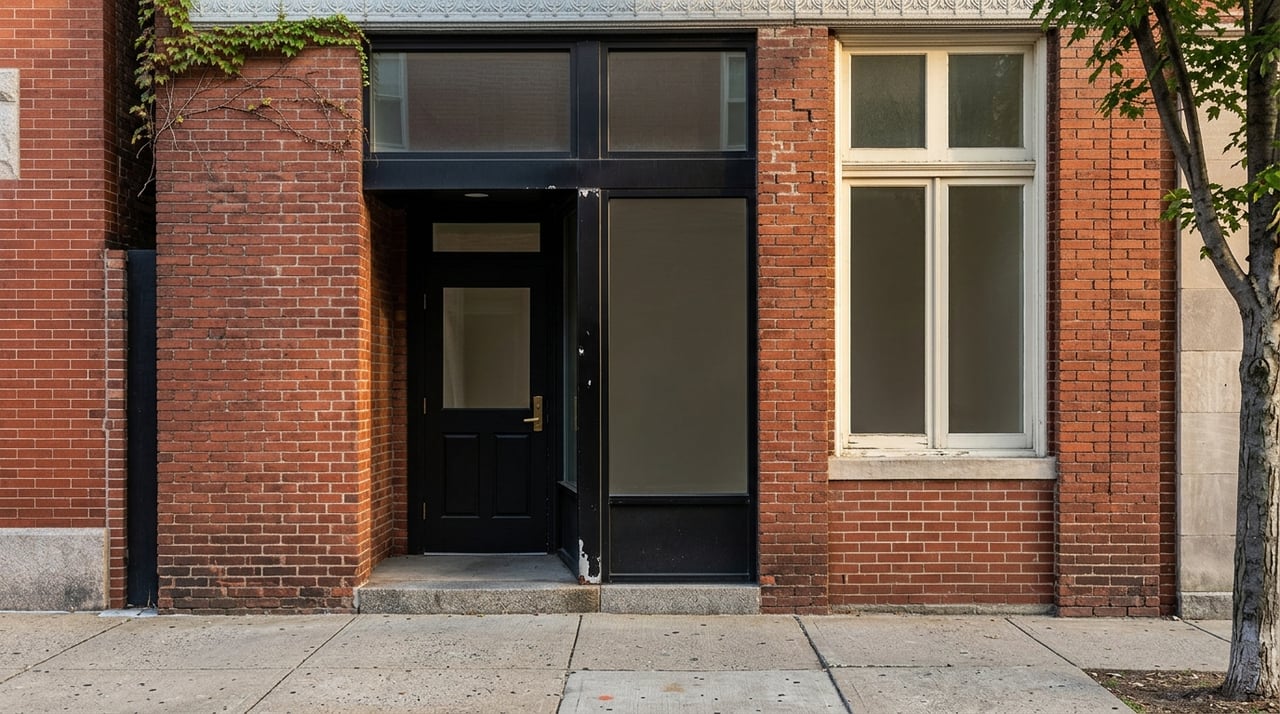
The comprehensive plan treats downtown as a mixed-use business district. If you are exploring a live-work setup, upper-floor housing, or a business-and-residential concept, CC is one of the first districts to investigate.
That said, planning guidance is not the same as current code. You still need to confirm the specific use and review path under the current regulations.
R-3 Commercial Residence
R-3 is another important district for mixed-use conversations. The comprehensive plan describes it as a commercial-residential district near Maple Avenue and West Main Street, which makes it especially relevant for buyers looking at flexible-use properties.
If a property is in R-3, that can be a meaningful clue that a mixed-use concept may be worth exploring. Still, the current code and map decide what is allowed.
C-1 and C-2 commercial areas
Commercial corridor and general commercial parcels can also be relevant, especially for buyers considering business operations, redevelopment, or investment property. The comprehensive plan places C-1 along Route 9W and Routes 23 and 23A, with C-2 northwest of the CSX tracks and south of West Main Street.
These districts may come up in conversations about visibility, access, and commercial use. But again, the district name is only the beginning of the zoning review.
WD and the Waterfront Overlay
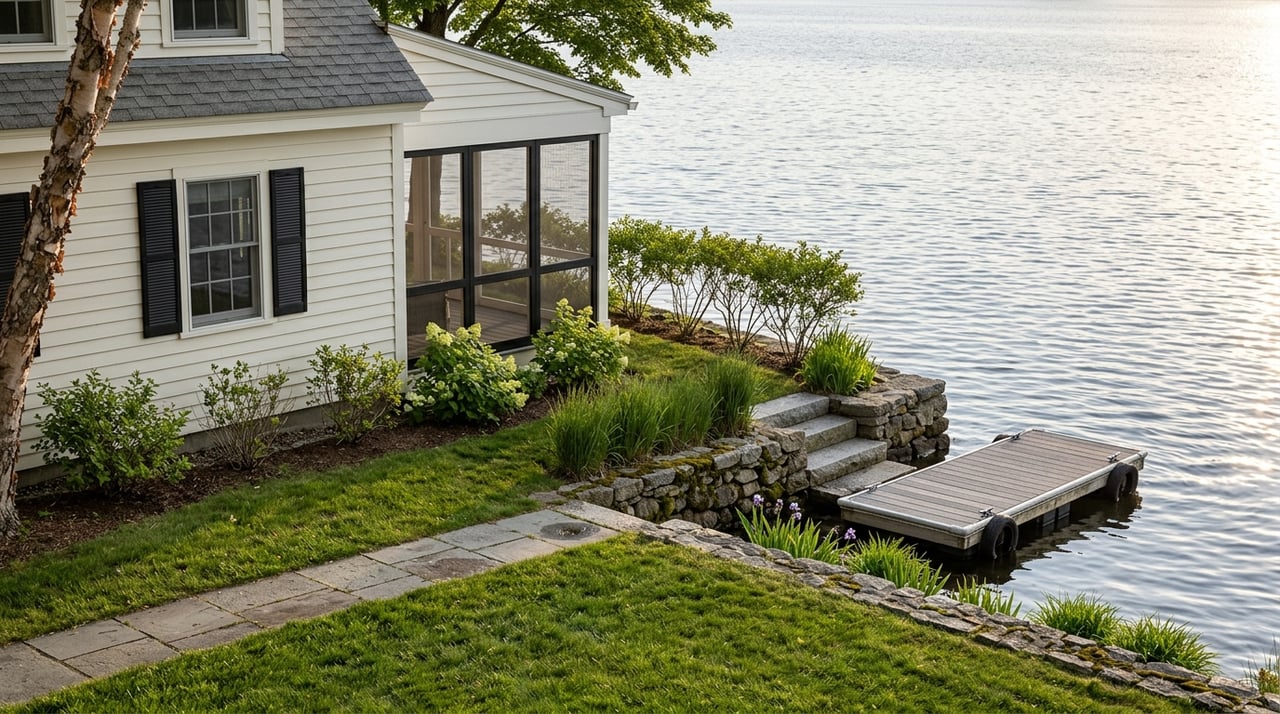
The waterfront is its own important category. The WD Waterfront District focuses on the Catskill Creek area, and some parcels may also be affected by the WOD Waterfront Overlay District.
The overlay is intended to prioritize waterfront-compatible uses, public access, and scenic resources. Underlying district uses may still be allowed, but overlay standards and site plan review can add another layer to the process.
Can you live upstairs and run a business below?
Sometimes, yes. But in Catskill, that answer depends on whether the zoning district allows the use and what kind of approval the proposal requires.
The village uses a framework that can involve by-right uses, site plan review, and special permits. So even when a use appears to be allowed, that does not always mean you can skip local review.
This is one of the biggest reasons buyers should verify zoning early. It is also why sellers benefit from understanding the property’s current district and approval history before positioning it as a mixed-use opportunity.
Where mixed-use questions come up most often
In practical terms, mixed-use questions in Catskill often start in a few key areas:
- Downtown properties in CC
- Properties in R-3 Commercial Residence
- Corridor commercial parcels in C-1 or C-2
- Some waterfront properties, with an added overlay check when applicable
That does not mean mixed-use is guaranteed in those areas. It simply means those are the places where the conversation often starts.
Why the address alone is not enough
One of the most important details for 12414 properties is jurisdiction. Catskill maintains separate village and town code resources, so you should not assume every 12414 address falls under the same zoning rules.
Before making plans or marketing claims, confirm whether the property is in the Village of Catskill or the Town of Catskill. That single step can save you time and help prevent confusion later.
Start with the official zoning map
If you want a reliable first step, start with the official zoning map. The village states that the official zoning map is kept in the Village Clerk’s office, and parcel-level verification should begin there rather than with a listing description.
This is especially important when you are evaluating an older building, a downtown structure, or a property with a past commercial use. Appearance and prior use can be informative, but the official map and current code are what matter most.
Understand the local approval process
Zoning is only one part of the picture. Catskill’s code office says permits are required for new buildings, alterations and renovations, additions, and many interior and exterior changes.
If a property is in the historic district, permits are also required for certain exterior work such as painting, windows, and siding. For buyers planning updates and for sellers preparing improvements before listing, that can be a major factor in cost, timing, and scope.
Planning Board and ZBA roles
Depending on the proposal, a project may involve the Planning Board or the Zoning Board of Appeals. The Planning Board meets on the second and fourth Monday at 6:30 PM, and the Zoning Board of Appeals meets on the third Wednesday as needed.
Those meeting schedules matter because review timelines can influence your purchase plans, renovation schedule, or listing strategy. In other words, zoning is not just a yes-or-no issue. It is also a timing issue.
A simple mixed-use checklist for buyers
Before you make an offer on a property with mixed-use potential, it helps to slow down and confirm the basics.
Use this checklist as a starting point:
- Confirm whether the property is in the village or town jurisdiction
- Verify the zoning district on the official zoning map
- Review whether the property may also be subject to the Waterfront Overlay District
- Ask whether the intended use is by right, requires site plan review, or needs a special permit
- Confirm whether planned renovations would require permits
- Ask whether the property is in the historic district if exterior work is planned
- Build approval timing into your budget and decision-making
This kind of due diligence can help you compare opportunities more clearly, especially if you are choosing between a downtown building, a corridor site, or a waterfront parcel.
What sellers should prepare before listing
If you own a Catskill property that may appeal to mixed-use buyers, strong preparation can make your listing more useful and more credible. Buyers tend to respond well when the facts are organized and the potential is framed carefully.
Consider gathering:
- The confirmed zoning district
- Any prior permits or approvals tied to the property
- Basic notes on current use and past use
- Information about whether the property is in the historic district
- Details on waterfront or overlay status, if applicable
Clear documentation helps serious buyers evaluate fit. It also helps avoid overpromising something that still depends on local review.
Why local guidance makes a difference
Mixed-use properties can create real opportunity, but they also bring more moving parts than a standard residential purchase. In Catskill, those moving parts often include district rules, permit requirements, board review, and careful property positioning.
That is where local market knowledge matters. Whether you are buying, selling, or evaluating a property for investment, it helps to work with a team that understands how village buildings, commercial parcels, and adaptive-use opportunities are discussed in the local market.
If you are sorting through a Catskill property with mixed-use potential, CENTURY 21 New West Properties can help you think through the property’s market positioning, next questions, and overall strategy with local insight and professional guidance.
FAQs
What does mixed-use mean for a Catskill property?
- Mixed-use generally means more than one land use on the same site, such as housing plus a business use, but in Catskill the actual answer depends on the zoning district and approval process.
Which Catskill zoning districts are most relevant for mixed-use?
- CC Central Commercial and R-3 Commercial Residence are common starting points, while C-1, C-2, and some waterfront properties may also raise mixed-use questions depending on the parcel.
Can a Catskill property have an apartment above a business?
- Sometimes, but you need to confirm whether the district allows that setup and whether the proposal is by right or subject to site plan review or a special permit.
Where do you verify a Catskill property’s zoning district?
- Parcel-level verification should start with the official zoning map kept in the Village Clerk’s office, not with a listing description alone.
Do Catskill property renovations require permits?
- Yes, the village code office says permits are required for new buildings, additions, alterations, renovations, and many interior and exterior changes.
What extra zoning step applies to Catskill waterfront properties?
- Some waterfront parcels may also fall within the Waterfront Overlay District, where underlying uses remain subject to overlay standards and site plan review.
Why should 12414 buyers check village versus town jurisdiction?
- Because Catskill maintains separate village and town code resources, and zoning assumptions can be wrong if you do not first confirm the correct jurisdiction for the address.