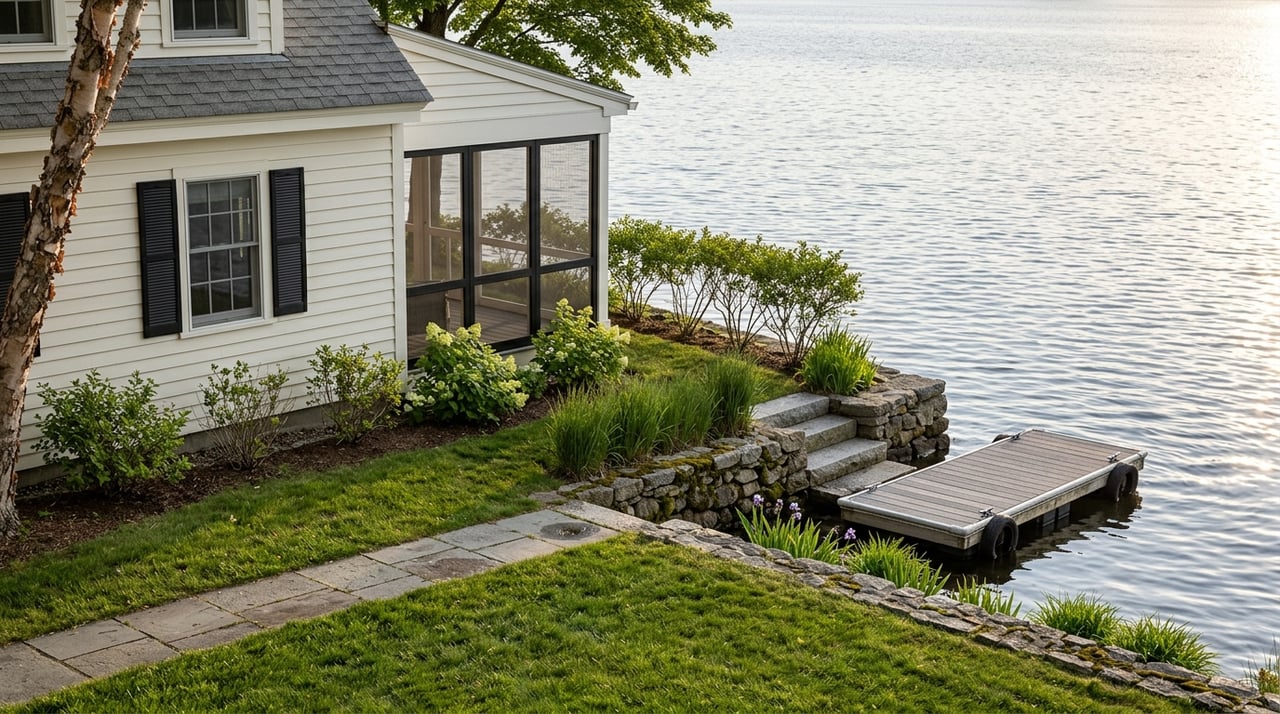
Dreaming of waterfront living in Catskill? It can be easy to picture river views, dockside mornings, and weekend paddles, but the reality here is more layered and more interesting. If you are thinking about buying near the water, you need a clear picture of access, property types, and the floodplain factors that shape this market. Let’s dive in.
Catskill’s waterfront has a distinct feel
Catskill sits where Catskill Creek meets the Hudson River, and that meeting point gives the village much of its waterfront identity. Historic Catskill Point, at the end of Main Street, is a county-owned waterfront park with floating docks, a waterfront plaza, and restored historic buildings used for events and a maritime museum.
This is not a long, continuous stretch of suburban shoreline lined with one style of home. Village planning documents note that older settled parts of Catskill were built in the natural floodplains of the Hudson River and Catskill Creek, which helps explain why river-adjacent land is compact and closely managed.
That local planning approach matters if you are shopping here. Catskill participates in New York State’s Local Waterfront Revitalization Program, and village zoning includes both a Waterfront District along Catskill Creek and a Waterfront Overlay District along the Hudson River shore.
River access is part of daily life
One of the biggest advantages of Catskill waterfront living is that you do not need to own a boat to enjoy the water. Public access and recreation are concentrated in a few key places, which gives the waterfront an active, shared character.
Dutchman’s Landing offers easy access
Dutchman’s Landing Park is one of the main public waterfront access points in Catskill. It sits at the eastern end of Main Street where Catskill Creek meets the Hudson River, and local tourism materials list boat-launch ramps, BBQs, picnic tables, and a playground.
For many buyers, that means waterfront lifestyle can be about proximity, not just ownership of shoreline. Being near a well-used public access point can support the way you actually spend time outdoors.
Catskill Point feels active and historic
Historic Catskill Point adds another public-facing riverfront setting. With floating docks, shore access, and seasonal events, it helps make the waterfront feel connected to the village rather than separate from it.
If you like the idea of being near the water and near downtown activity, this part of Catskill may stand out. It reflects the village’s mix of history, public space, and working waterfront character.
Quiet paddling is also nearby
If you want a calmer nature-based experience, RamsHorn-Livingston Sanctuary offers canoe and kayak access via RamsHorn Creek. It is presented as a wildlife-rich preserve rather than a developed park, which gives you a different kind of waterfront experience nearby.
That variety is part of Catskill’s appeal. You can move between active public spaces and quieter natural areas without leaving the broader waterfront area.
Boating options go beyond private docks
Catskill’s waterfront includes a layered mix of boating services and facilities. That can be a major plus if you want water access without taking on the cost or responsibility of maintaining your own dock setup.
Local tourism sources identify options that include:
- Pontoon, kayak, and paddleboard rentals through Catskill Charters
- Floating docks and seasonal amenities at Catskill Marina
- Transient marina services at Hop-O-Nose Marina, including pool, showers, laundry, and repairs
- Active boating presence at Catskill Yacht Club on West Main Street
- Additional boating and lodging options at Bliss Marina
For buyers, this means the waterfront lifestyle here can be flexible. You may be able to enjoy paddling, day trips, or marina-based boating without needing a fully private waterfront parcel.
Homes near the water are often mixed in style
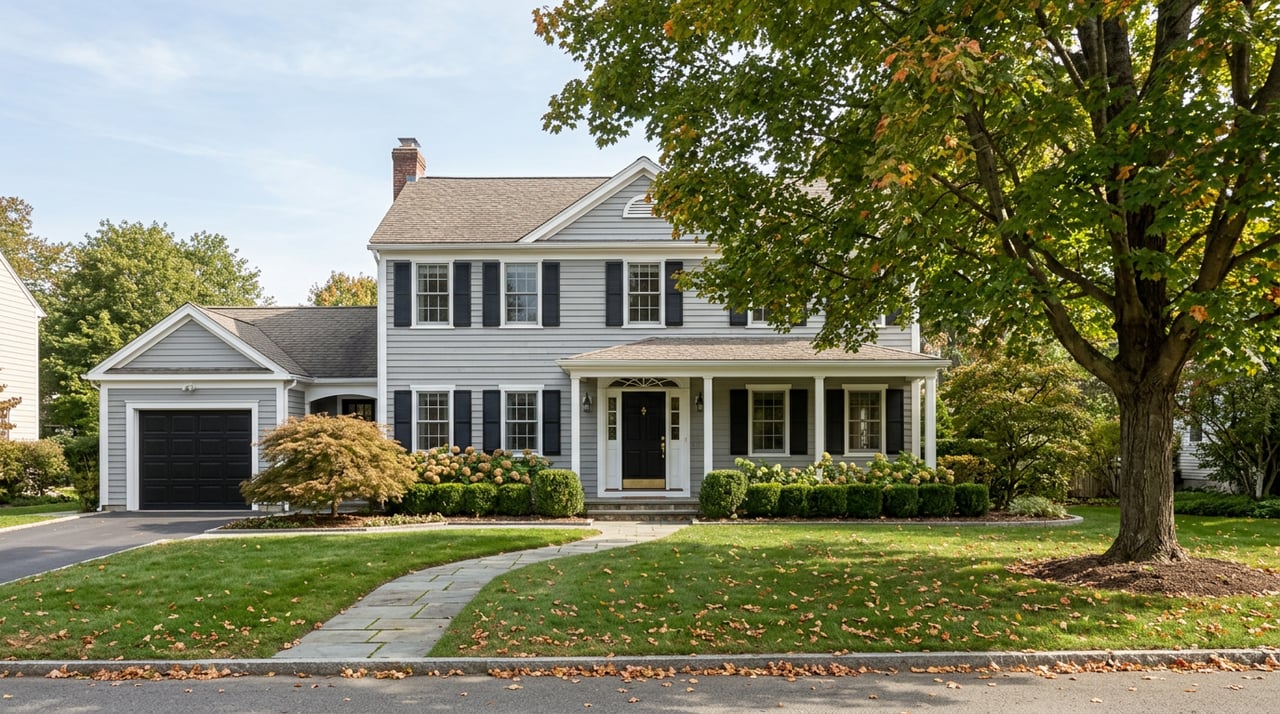
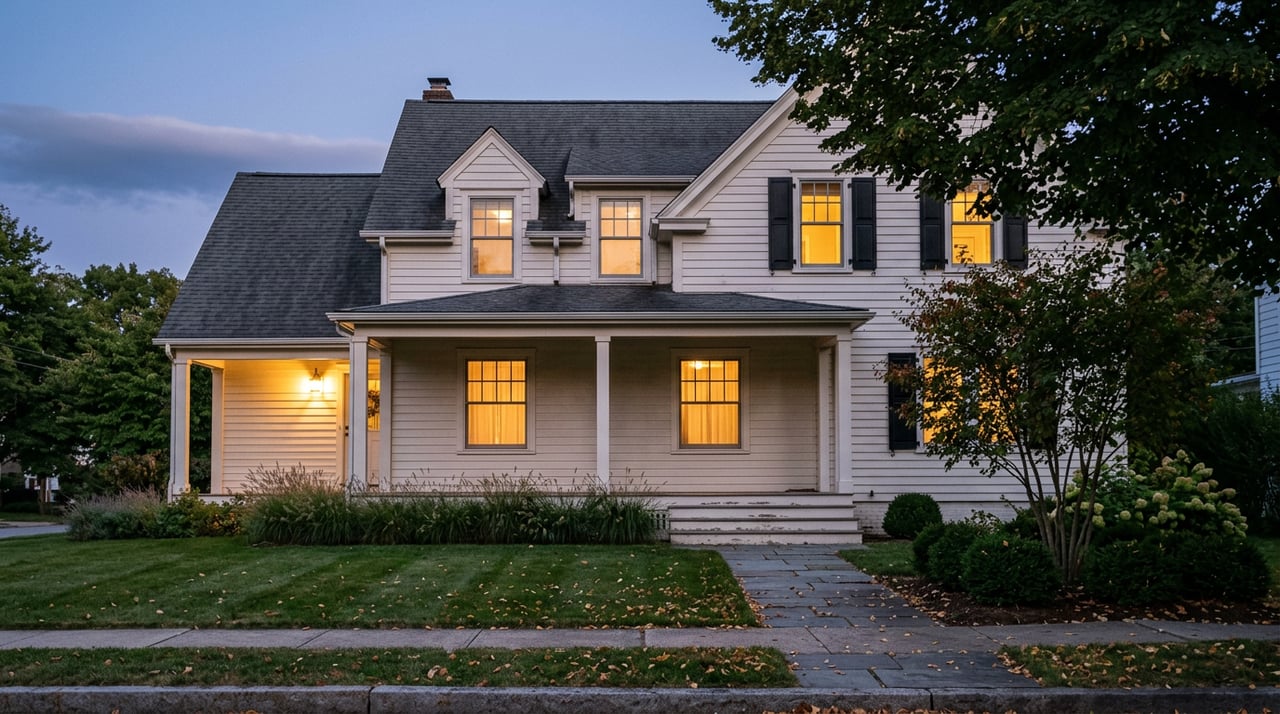
If you are expecting a neat row of new waterfront homes, Catskill may surprise you. The local land-use pattern is more varied, with residential single-family homes on small lots, historic neighborhoods around downtown, and mixed-use residential and commercial areas east of Catskill Creek.
Industrial land uses are also concentrated along Catskill Creek and the Hudson River. Vacant land is often found on steep slopes and within floodplain areas, which further shapes what buyers are likely to see and what may be practical for future use.
Expect older homes and mixed-use properties
Near the water, buyers are more likely to encounter:
- Older village houses
- Historic homes near downtown
- Mixed-use downtown buildings
- Marina-adjacent properties
- Redevelopment-oriented parcels
That mix can create opportunity, especially if you are open-minded about property type. It can also mean that a waterfront search in Catskill requires more local interpretation than a typical subdivision search.
Waterfront zoning shapes what belongs there
Catskill’s Waterfront District along Catskill Creek explicitly allows uses such as boat rental facilities, charter boat and fishing guide operations, municipal parks, trails, fishing docks, and piers. In other words, the shoreline is planned as a mixed waterfront corridor, not a purely residential edge.
That is important whether you are buying a home, considering a mixed-use building, or looking at a marina-adjacent parcel. The setting may offer strong lifestyle value, but it also comes with a planning framework designed to balance access, scenery, and water-dependent uses.
Flood risk is a core buying factor
In Catskill, flood risk is not a side note. It is one of the main realities that shapes waterfront ownership, development, and long-term property decisions.
The village has a Flood Damage Prevention Ordinance, and planning documents state that the Planning Board must consider floodplains during site-plan and special-permit review. The village also requires mitigation measures where needed and works to ensure proposed buildings comply with FEMA regulations.
Why due diligence matters here
Catskill’s Waterfront Resilience Task Force reported that Tropical Storm Irene, Tropical Storm Lee, and Hurricane Sandy caused more than $3 million in damage to structures alone. The same report warns that lower Main Street and Catskill Point are projected to see more frequent inundation later this century.
That does not mean waterfront property is off the table. It means your due diligence should be detailed, practical, and property-specific.
Before moving forward on a waterfront or water-adjacent property, you may want to look closely at:
- Flood-zone mapping for the parcel
- Building elevation and site drainage
- History of flooding or water intrusion
- Dock, marina, or waterfront-use rights where applicable
- Any site constraints tied to local review or approvals
Infrastructure upgrades are part of the story
The village is already responding to waterfront resilience needs. According to village information, the Department of Public Works has raised electrical components and utilities above flood heights, upgraded a pump station, and is separating storm-water and sanitary sewers to eliminate combined sewer outfalls into the Hudson River and Catskill Creek.
For buyers, that is useful context. Waterfront living here is shaped not only by views and access, but also by ongoing infrastructure planning and long-term resilience work.
Public access is concentrated, not everywhere
A common assumption is that shoreline access is spread evenly across a river town. In Catskill, that is not really the case.
Village planning documents describe public access along the creek and river as limited, which means access tends to be concentrated at key nodes rather than available everywhere along the shoreline. That is why places like Dutchman’s Landing and Historic Catskill Point carry so much importance.
If you are searching for a home with a waterfront feel, it helps to think beyond direct frontage. In Catskill, being close to major access points, marinas, and village amenities may matter just as much as owning land that touches the water.
What buyers should keep in mind
Waterfront living in Catskill can be rewarding, but it works best when you approach the search with a local lens. The market is shaped by history, zoning, mixed land uses, and resilience planning in ways that are not always obvious from listing photos.
A smart search often comes down to matching your goals with the right type of property. You may want a village home near public river access, a mixed-use building in the waterfront corridor, or a redevelopment parcel with a more complex planning path.
The key is understanding what the location really offers and what the property requires. That is where local market knowledge can make the process much clearer.
If you are exploring waterfront homes, marina-adjacent properties, or river-access opportunities in Catskill, working with a brokerage that understands both residential and more complex property types can help you move forward with confidence. Connect with CENTURY 21 New West Properties to start your search or discuss your next move.
FAQs
Can you enjoy waterfront living in Catskill without owning a boat?
- Yes. Dutchman’s Landing, Historic Catskill Point, and local rental and charter options make it possible to launch, paddle, or spend time on the water without owning a boat.
Are waterfront homes in Catskill mostly new luxury properties?
- No. Buyers are more likely to see older village homes, historic houses, mixed-use buildings, marina-adjacent properties, and redevelopment-oriented parcels than a continuous strip of new waterfront subdivisions.
Is flood risk an important part of buying near the water in Catskill?
- Yes. Floodplain regulation, resilience planning, infrastructure upgrades, and parcel-specific flood-zone review are central parts of buying near the river or creek in Catskill.
Is public river access available all along the Catskill shoreline?
- No. Public access is limited and concentrated at key locations such as Dutchman’s Landing and Historic Catskill Point rather than spread evenly across the shoreline.
What should you review before buying a waterfront property in Catskill?
- Focus on flood-zone status, elevation, drainage, any history of water intrusion, and any dock, marina, or waterfront-use rights connected to the property.