If you are thinking about listing commercial property in Catskill Village, the details matter more than many sellers expect. A strong listing is not just about price and photos. It is about showing buyers how the property fits the Village’s zoning, historic setting, approvals, and downtown market story. Let’s dive in.
Why Catskill Village Listings Need Local Strategy
Catskill Village has a distinct commercial setting shaped by its historic downtown, Hudson River identity, and active Main Street restoration planning. That means buyers often look beyond the building itself and focus on how the property fits the surrounding area, current use rules, and future potential.
For sellers, that creates both opportunity and responsibility. A well-prepared listing can speak to owner-occupiers, investors, hospitality buyers, or adaptive-reuse buyers. But before your property goes to market, you need to confirm the facts that support the story.
Start With Jurisdiction and Zoning
One of the first steps in listing commercial property in Catskill Village is confirming exactly where the parcel sits and which rules apply. This is especially important because the Village of Catskill and the Town of Catskill have separate commercial zoning and setback rules.
Within the Village, commercial districts include CC-Central Commercial, C-1, C-2, and WD Waterfront. The CC district covers Downtown, C-1 generally covers the Route 9W, 23, and 23A corridors, and C-2 is general commercial.
That zoning context shapes how your property should be marketed. In the CC and C districts, the allowed mix can include retail, offices, restaurants, hotels, motels, parking, and certain special-permit uses. Residential use in commercial buildings is more limited, with upper-level or non-storefront space allowed and capped at no more than 65% of total floor area.
Why Use Status Matters
Buyers want to know whether the current use matches the approved use. If there has been a change over time, that can affect financing, due diligence, and closing timelines.
Before listing, it helps to gather any certificates of occupancy, site plan approvals, variances, sign permits, and building permits. When you can show clear municipal records upfront, you reduce uncertainty and build credibility with serious buyers.
Understand Approval Timing Before You List
In Catskill Village, site plan approval is required before new construction, expansion, or a change in use, subject to limited exceptions. That makes entitlement timing an important part of your listing strategy.
If a buyer is likely to reposition the building, expand it, or change the use, they will want to understand what approvals may be required. Since the Planning Board meets on a regular monthly schedule, timing can matter if a buyer needs municipal review to move a project forward.
Historic District Work Can Affect Prep
If your property is in the Historic District, exterior work may require permits. The Village notes that work such as painting, windows, and siding can require approval.
That means even cosmetic pre-listing improvements should be checked before work begins. A clean exterior can help marketing, but it is best to make sure the work is compliant rather than creating a question during buyer diligence.
Build a Strong Commercial Listing Package
Commercial buyers usually ask tougher questions than residential buyers. They want documents, operating details, approval history, and a clear picture of the property’s condition and income.
A strong pre-listing package often includes:
- Current rent roll
- Copies of leases and amendments
- Operating statements
- Tenant confirmations, if available
- Evidence that property taxes are current
- Parcel ID and tax description
- Survey, if available
- Title policy, if available
- Building dimensions and area details
- Property condition notes
- Municipal approvals and certificates of occupancy
If easements or encroachments exist, a survey can help clarify them before they become a problem in due diligence. If you have completed repairs or tenant improvements, supporting plans, permits, or specifications can also help answer buyer questions.
Income Details Matter
If the property produces income, buyers and lenders will focus on the actual economics behind the asset. That usually means looking closely at cash flow, net operating income trends, vacancy, tenant quality, lease rollover, and expected rents.
As a seller, you should be ready to explain the real rent stream, not just the asking price. If leases are nearing expiration, it helps to address that early and frame the opportunity clearly.
Environmental Review Should Not Be an Afterthought
Environmental diligence is an important part of many commercial sales. For nonresidential property, contamination concerns can affect value and create liability.
That is why many buyers pay close attention to environmental review, including Phase I environmental site assessments that follow All Appropriate Inquiries standards. If your property has any history that could trigger concern, it is often better to prepare for those questions early rather than let them slow the transaction later.
Position the Property for the Right Buyer
Catskill Village commercial properties do not all appeal to the same audience. The strongest listings are tailored to the most likely buyer pool instead of using generic marketing language.
Depending on the asset, likely buyers may include:
- Local owner-occupiers such as retail, office, or service businesses
- Investors focused on income stability and lease quality
- Hospitality users such as restaurant, hotel, or motel buyers where zoning allows
- Adaptive-reuse buyers looking at mixed-use, upper-floor residential conversion, or live-work concepts
- Developers evaluating infill or redevelopment opportunities
Match the Story to the Property
In Downtown Catskill, storefront presentation and use potential matter. The Village’s planning framework supports mixed-use infill, upper-floor residential conversion, artist live-work space, and incubator-style business concepts. That does not guarantee a particular outcome for your property, but it does help shape how the opportunity may be presented.
If your building is better suited for an owner-occupier, the listing should make that clear. If it has stable tenants and dependable cash flow, the marketing should focus on income quality and lease structure. If the value is in repositioning or redevelopment, the listing should present zoning, approvals, and physical characteristics in a straightforward way.
Present the Storefront and Parking Honestly
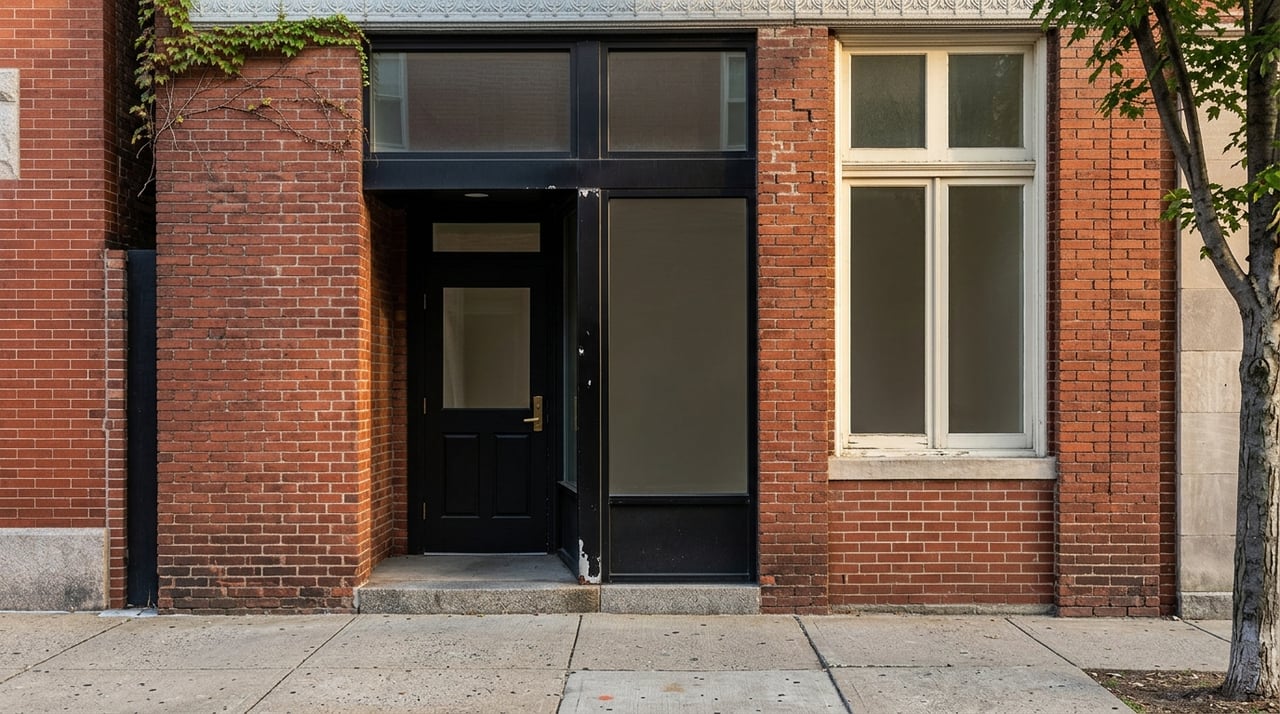
In a village setting like Catskill, appearance plays a big role in first impressions. The Village’s planning documents specifically call out temporary window-sign clutter as a downtown issue, which tells you that clean presentation matters.
That means sellers should aim for a tidy storefront, compliant signage, and simple, clear merchandising of the exterior. Buyers often respond better to a building that looks cared for and easy to understand.
Parking also deserves a realistic explanation. The Village’s planning materials note pressure around off-street parking requirements and broader parking challenges downtown. If your property benefits from nearby public parking, shared parking patterns, or a practical customer access story, that should be explained clearly without overstating it.
Highlight Catskill Village Market Context
A strong listing should also explain why the location matters. Catskill Village describes itself as a scenic Hudson River community with historic character, Main Street shops and restaurants, and ongoing restoration planning.
Downtown also benefits from regular activity tied to public offices, the library, and arts organizations. That combination can support both weekday foot traffic and visitor interest, which may matter to retail, office, restaurant, or mixed-use buyers.
For out-of-area prospects, this context helps turn a map dot into a real business location. It gives buyers a more concrete reason to understand the property’s position in the Village.
Reach Beyond the Local Buyer Pool
Some commercial properties in Catskill Village will attract nearby buyers. Others may appeal to regional investors, second-market owner-occupiers, or specialized adaptive-reuse buyers from outside Greene County.
That is where professional marketing reach matters. A brokerage with strong local knowledge can help shape the listing around zoning, use, and municipal context, while a national franchise platform can broaden exposure to out-of-area buyers who may not otherwise see the opportunity.
For a seller, that combination can be especially valuable for mixed-use buildings, hospitality properties, development sites, and other listings that need a wider audience than a typical local buyer search.
Questions to Answer Before Going Live
Before you list your commercial property in Catskill Village, it helps to answer a few core questions:
- What zoning district is the property in?
- Does the current use match the approved use?
- Are certificates of occupancy and permits available?
- Is there any pending or needed site plan review?
- Does the property sit in the Historic District?
- Are lease documents complete and current?
- Are taxes current?
- Is there a survey to address easements or encroachments?
- Will environmental review likely be a buyer concern?
- What is the most likely buyer pool for this property?
When those answers are ready before launch, your listing is usually easier to market and easier for buyers to evaluate.
Why Preparation Helps You Negotiate Better
The more complete your listing package is, the more confident buyers tend to be when they engage. Good preparation can reduce delays, support pricing conversations, and keep deals together when diligence starts.
In a market like Catskill Village, that preparation is not just paperwork. It is part of telling a clear, credible story about what the property is, what it is allowed to be, and why it fits this location.
If you are preparing to sell a commercial or mixed-use property in Catskill Village, working with a brokerage that understands local approvals, adaptive-reuse potential, and professional marketing can make a meaningful difference. To start with a property-specific strategy, connect with CENTURY 21 New West Properties.
FAQs
Do I need site plan approval for a use change in Catskill Village?
- Yes. The Village zoning regulations state that site plan review and approval are required before new construction, expansion, or a change in use, subject to limited exceptions.
Do I need a certificate of occupancy for a commercial property in Catskill Village?
- Yes. The zoning regulations state that occupancy or use is unlawful until a certificate of occupancy is issued.
What commercial zoning districts exist in Catskill Village?
- The Village’s commercial districts include CC-Central Commercial, C-1, C-2, and WD Waterfront.
Can a mixed-use building in Catskill Village include residential space?
- Yes, in some cases. In the CC and C districts, residential use in commercial buildings is limited to upper-level or non-storefront space and may not exceed 65% of total floor area.
Does Historic District exterior work need permits in Catskill Village?
- It can. The Village notes that exterior work such as painting, windows, and siding may require permits in the Historic District.
Who usually pays transfer tax on a commercial sale in New York?
- For conveyances over $500, New York imposes a real estate transfer tax, and outside New York City the filing is generally made with the county clerk where the property is located. The base tax is generally paid by the seller unless the contract says otherwise.
Why is environmental review important for commercial property in Catskill Village?
- Environmental concerns can affect property value and create liability, so buyers often use environmental review, such as a Phase I assessment, as part of due diligence.
What documents should I gather before listing commercial property in Catskill Village?
- A strong listing package often includes leases, rent rolls, operating statements, tax information, surveys, condition notes, permits, approvals, and certificates of occupancy.