Buying your first home in Catskill can feel exciting and overwhelming at the same time. You are likely balancing budget questions, financing options, home styles, and the small but important local details that can affect your monthly costs and long-term plans. This guide will help you understand how the first-time buying process works in Catskill, what to watch for in different parts of the market, and how to make more confident decisions from day one. Let’s dive in.
Understand the Catskill market first
Catskill is not a one-size-fits-all market. Census estimates show the Town of Catskill had 11,195 residents in 2024, with a 68.1% owner-occupied housing rate and a median owner-occupied home value of $246,000. In Greene County overall, the owner-occupied rate was 77.2%, with a median owner-occupied home value of $271,600.
For a first-time buyer, one of the biggest local differences is the split between the Village of Catskill and the surrounding Town of Catskill. Village planning documents describe a more compact pattern with mostly single-family homes on smaller lots, plus mixed-use buildings downtown and commercial corridors. Town planning documents describe hamlets and rural areas with larger parcels, including many ten acres or more, and a focus on preserving open space and rural character.
That means your search should start with your lifestyle and practical needs. If you want a more compact setting with public services nearby, village homes may appeal to you. If you want more land and a more rural setting, homes in the town or hamlet areas may be a better fit.
Build your budget before touring homes
Before you start visiting listings, get clear on what you can comfortably afford each month. That includes more than a mortgage payment. You should also think through existing debts, savings, income stability, and the other costs that come with homeownership.
A useful benchmark from the research is that closing costs often run about 2% to 5% of the purchase price, not including your down payment. That can make a big difference in how much cash you need at the finish line. Planning for that early can help you avoid surprises later.
If you compare mortgage offers from multiple lenders, there is also some good news. Credit checks within a 45-day window are generally treated as one inquiry for mortgage shopping purposes. That gives you room to compare options without as much worry about repeated credit pulls.
Talk to a lender early
One of the smartest first steps is to speak with a lender before you seriously shop. This helps you understand your price range, loan options, and what paperwork you will need. It also makes it easier to move quickly when the right home hits the market.
In New York, SONYMA offers low-cost, fixed-rate mortgages and a Down Payment Assistance Loan that may help with down payment, closing costs, and or mortgage insurance. For many first-time buyers, this can make the path to ownership more manageable. SONYMA also works with nonprofit housing counseling agencies across New York, which can be helpful if you want extra guidance.
Compare homes by location type
Catskill buyers often choose between three broad property types: village homes, rural or hamlet homes, and creek-adjacent or waterfront homes. Each comes with a different day-to-day experience and a different checklist.
Village homes in Catskill
Village homes often appeal to buyers who want a more walkable setting, historic character, and closer access to local amenities. The Village of Catskill planning documents highlight a compact downtown, historic architecture, and a traditional street pattern. The village also operates water and sewer departments, which can simplify utility questions for some buyers.
At the same time, village ownership can come with more local permit considerations. The village requires permits for many common projects, including additions, kitchen and bathroom renovations, decks, fences, roof repairs, and some exterior work in the historic district. If you are planning updates after closing, it is worth understanding those rules early.
Rural and hamlet homes
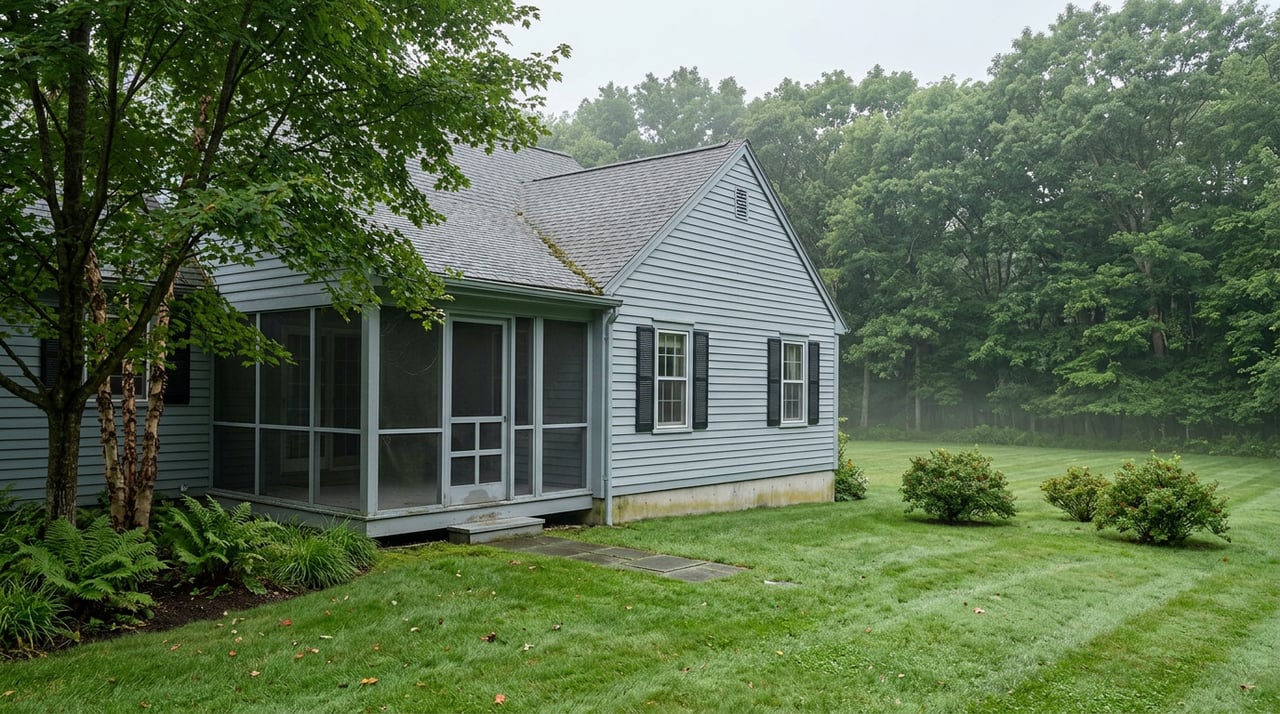
If you are drawn to space, privacy, or larger lots, homes outside the village may fit your goals better. Town planning documents emphasize farms, woodlands, scenic views, and open land. Many parcels are larger, and the town places importance on protecting rural character.
With that kind of property, you may need to look more closely at access and infrastructure. Lot size, driveway access, road maintenance, and whether the property uses public utilities or private well and septic systems can all affect your ownership experience and your monthly budget.
Creek-adjacent and waterfront homes
Homes near Catskill Creek or the Hudson can be especially appealing, but they require extra due diligence. Village planning documents note that older settled parts of Catskill were developed within natural floodplains. That makes flood exposure an important part of the buying process for lower-lying or waterfront properties.
FEMA flood maps are the official source for checking flood hazard areas. You will also want to verify drainage, elevation, and whether flood insurance may become part of your monthly housing cost. A beautiful location can still be a great fit, but you want the full picture before you commit.
Confirm the exact property details
In Catskill, small map differences can matter more than first-time buyers expect. A property may sit in the village or in the town, may be in a certain tax parcel configuration, and may fall within specific municipal or district boundaries. Those details can affect permits, utilities, and how you plan for ownership.
Greene County Real Property Tax Services provides a county web map that shows tax parcel boundaries, municipal boundaries, fire and school districts, wetlands, flood zones, and current imagery. This can be very useful when you are comparing homes in the village, in rural areas, or near Catskill Creek. It gives you a more complete local picture before you make an offer.
For many first-time buyers in Catskill, three checks matter most:
- Confirm the exact jurisdiction
- Confirm flood exposure if the home is near the creek or river
- Confirm whether the property uses public water and sewer or private well and septic
Know which professionals you will likely need
Buying your first home in New York usually involves more people than many buyers expect. In addition to your lender and real estate agent, you should plan on working with professionals who help protect your interests and keep the transaction moving.
A buyer’s agent or local broker can help you compare property types and identify the local questions that matter in Catskill. That can be especially helpful in a market where village homes, rural properties, and creek-adjacent homes can differ so much. Local knowledge matters when the choices are this varied.
You should also expect to have your own attorney in a New York home purchase. Research from the New York State Bar Association notes that buyers should have their own legal advice, and that closings often include the buyer and seller, their attorneys, the title closer, the lender’s attorney, and brokers. For a first-time buyer, having legal guidance can make the paperwork and contract review much easier to understand.
A home inspector is another key part of the process. If you are considering a property with a private well or septic system, you may also want specialists who can evaluate those systems more closely. For private wells, the owner is responsible for testing the water, so that is an important question for homes outside the village.
Make your offer carefully
Once you find the right home, the next step is making an offer and reviewing the documents that come with the transaction. This is where your lender, agent, and attorney all become especially important. Their job is to help you understand the terms, timelines, and any property-specific concerns.
Starting July 1, 2025, New York’s Property Condition Disclosure Statement is required, so buyers should expect seller-disclosure paperwork as part of the process. You should read those materials closely and ask questions about anything that is unclear. First-time buyers do best when they slow down enough to understand what they are agreeing to.
Inspection, closing, and final steps
After your offer is accepted, the process moves into inspections, lender requirements, and closing preparation. This is usually when details start coming quickly, so staying organized matters. Keep a checklist, respond to requests promptly, and lean on your team when you need clarification.
A final walk-through is an important step before signing. The research also notes that the home purchase closing and mortgage closing usually happen at the same time, and the Closing Disclosure must be delivered at least three business days before closing. That gives you time to review your final loan terms and cash-to-close figures.
As a general benchmark, the research cites 44 days from application to closing and 38 days from the first Loan Estimate to the last Closing Disclosure. Your timeline can vary, but these numbers are useful for planning. If you are renting, coordinating a move, or arranging time off from work, it helps to know that the process is not always fast.
What happens after closing
Closing day is not the end of the paper trail. In Greene County, the County Clerk records deeds and mortgages and offers online record searches by name. Once your transaction is complete, keep copies of your closing documents in a safe place.
You should also start planning for your ongoing costs as a homeowner. New York’s STAR program can reduce school taxes on a primary residence, and new homeowners generally register for the STAR credit rather than the exemption. It is helpful, but it applies only to school district taxes, so you should still budget for the full picture of taxes, insurance, utilities, and maintenance.
A simple first-home strategy for Catskill
If you want to keep your first purchase process focused, start with the basics. Get prepped financially, talk with a lender early, and narrow your search based on how you want to live. Then verify the local details that matter most in Catskill before you move forward.
In this market, your best decisions usually come from asking practical questions early. Is the home in the village or the town? Is it near a flood area? Does it use public utilities or private systems? Those answers can shape your budget, your to-do list, and your comfort level long after closing.
Buying your first home is a big milestone, but it does not have to feel confusing. With the right local guidance and a clear plan, you can move forward with more confidence and fewer surprises. When you are ready to explore your options in Catskill, connect with CENTURY 21 New West Properties for knowledgeable, local support throughout the process.
FAQs
What should a first-time homebuyer in Catskill do first?
- Start by reviewing your budget, savings, debt, and monthly expenses, then talk to a lender early so you understand your loan options and realistic price range.
What is the difference between buying in the Village of Catskill and the Town of Catskill?
- Village properties are generally in a more compact setting with public water and sewer, while town properties may include larger lots, rural settings, and private well or septic systems.
How can a Catskill buyer check flood risk before making an offer?
- You can review FEMA flood maps and compare local parcel information through Greene County mapping tools, especially for homes near Catskill Creek or the Hudson.
Do first-time buyers in Catskill need a real estate attorney?
- In New York, buyers should have their own attorney, and attorneys are commonly part of the home purchase and closing process.
What extra inspections may matter for rural Catskill homes?
- If a property uses a private well or septic system, you may want additional evaluation beyond a general home inspection to better understand water testing and system condition.
What costs should a first-time buyer in Catskill budget for besides the down payment?
- You should plan for closing costs, taxes, insurance, utilities, maintenance, and any possible added costs such as flood insurance or private system upkeep.