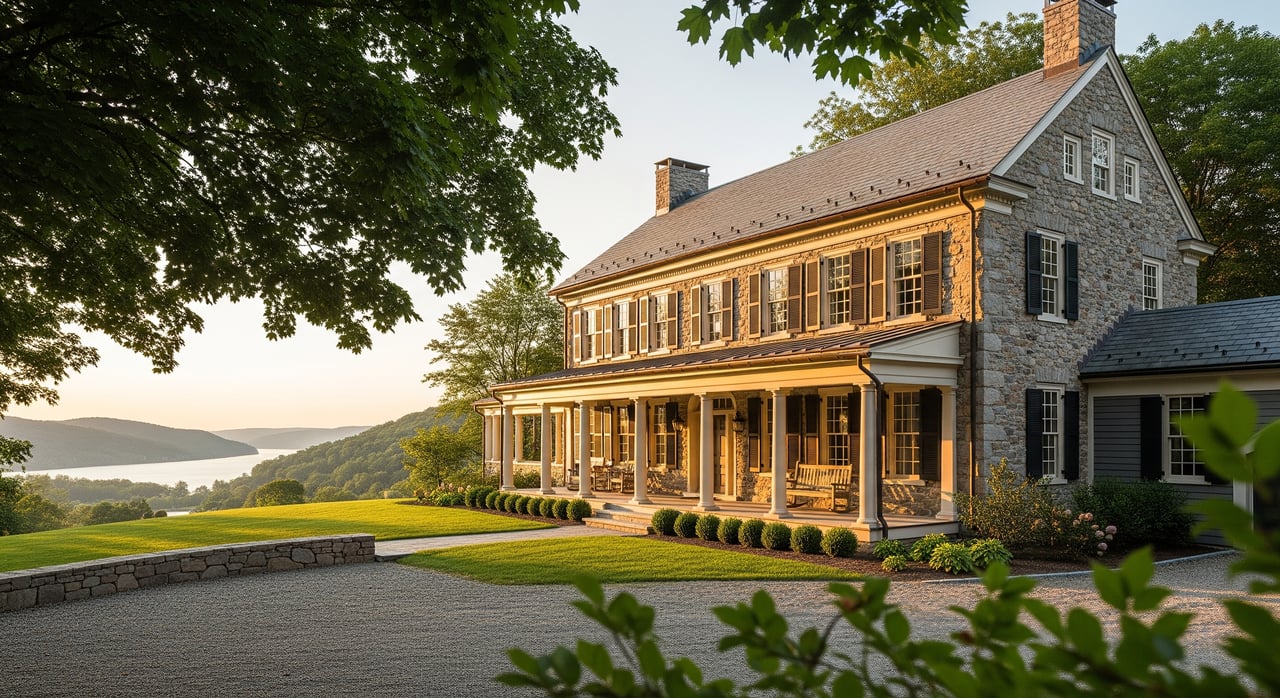
Do you know the difference between a Greek Revival and an Italianate at a glance? In Athens, many homes reflect the village’s 19th‑century riverport roots and later mid‑century growth, so style can tell you a lot about layout, age, and upkeep. If you are exploring the Hudson Valley market around Athens, understanding local house types helps you set expectations, focus your search, and avoid surprises during inspections. This guide shows you how to spot four common styles, what they mean for ownership, and how to shop smarter. Let’s dive in.
Why these styles appear in Athens
Athens sits on the east bank of the Hudson River in Greene County. The village prospered through the 1800s as a river port and commercial center, which is why you see many Greek Revival and Italianate homes near the river and Main Street. The rural town around the village grew with working farmhouses and outbuildings. After World War II, transportation corridors brought ranches and other mid‑century homes. Style often aligns with age, typical floorplans, maintenance needs, and possible historic district considerations.
Greek Revival: what to look for
Quick identifiers
- Temple-like front gable or pediment facing the street, often with a columned entry.
- Symmetrical façade with 3 or 5 bays, and a front door framed by transom and sidelights.
- Wide, simple cornice and heavy trim. Clapboard or early brick exteriors.
Floorplan and features
- Two stories with a center‑hall or side‑hall plan and formal parlors.
- Tall rooms and high ceilings, original wood floors, and substantial trim.
- Basements and attics may have minimal insulation. Fireplaces or chimneys were the original heat sources.
Athens context
You will find Greek Revival homes throughout the Village of Athens, especially on older residential streets close to the river and Main Street. Many stand in intact rows or as standalone houses from the first half of the 1800s.
What to watch and ask
- Window sashes may be original. Ask about lead paint in pre‑1978 homes.
- Verify electrical upgrades if the home once had knob‑and‑tube wiring.
- Review porch and cornice condition and look for rot at columns or rooflines.
Search cues
- Year built 1830–1860.
- Keywords: Greek Revival, columns, pediment, center hall.
Italianate: what to look for
Quick identifiers
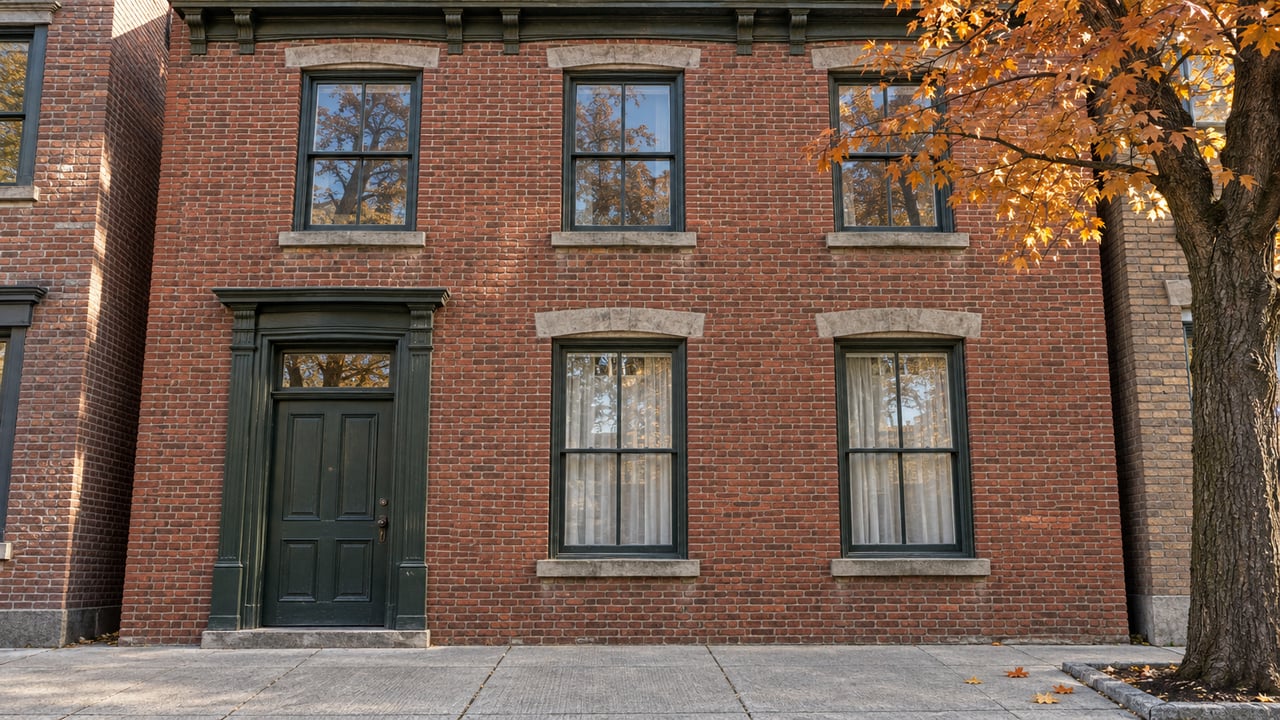
- Low‑pitched or flat roof with wide eaves and decorative brackets.
- Tall, narrow windows, often with arched heads or detailed hoods.
- Two or three stories, sometimes with a square cupola or belvedere.
Floorplan and features
- Vertical massing with paired parlors and formal rooms.
- High ceilings with ornate interior trim and, at times, ceiling medallions.
- Façades may be symmetrical or asymmetrical.
Athens context
Italianate homes appear alongside Greek Revival houses in older neighborhoods. You can find both brick and wood examples along main thoroughfares from the mid‑1800s.
What to watch and ask
- Brackets, cornices, and porches are high‑maintenance elements. Check for wood rot.
- Ask about past exterior restoration and whether appropriate materials were used.
Search cues
- Year built 1850–1880.
- Keywords: Italianate, brackets, cupola, arched windows.
Farmhouse and vernacular rural homes
Quick identifiers
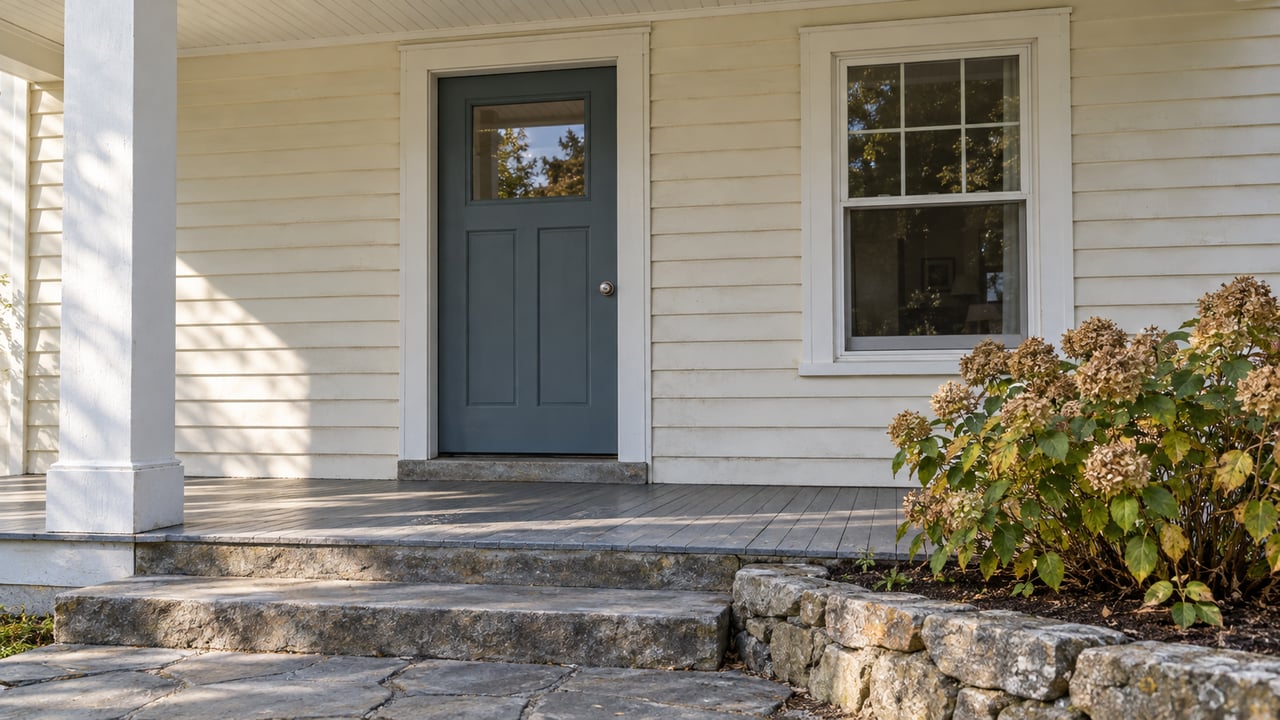
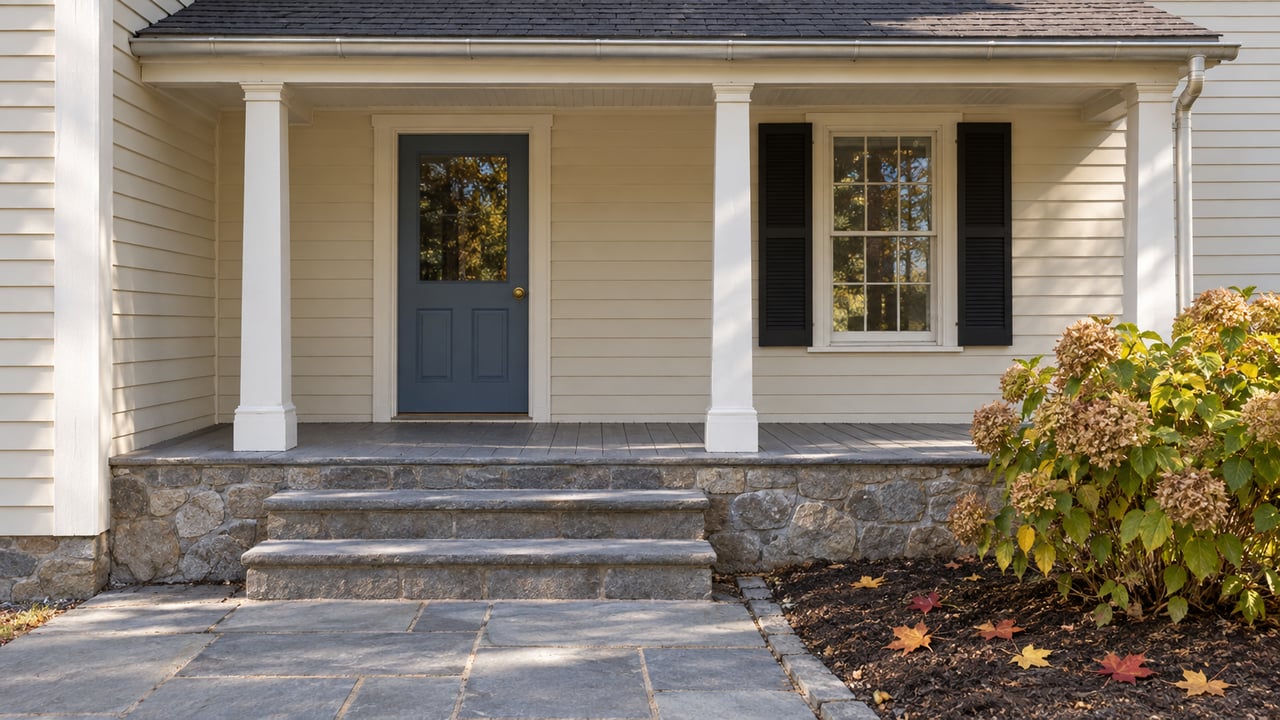
- Simple rectangular or L‑shaped form with a gable roof and a front porch.
- Two‑story upright with a one‑story wing is common, along with Cape‑style forms.
- Clapboard or shingle siding, plus barns, sheds, or silos on larger parcels.
Floorplan and features
- Practical layouts with kitchen, dining, and parlor on the first floor and bedrooms above.
- Many include mudrooms or later additions.
- Larger lots with agricultural outbuildings are typical in the broader town area.
Athens context
Outside the village, you will find working farms and converted hobby farms. Many traditional farmhouse forms have been renovated as primary or second homes.
What to watch and ask
- Check barn and outbuilding structures, foundations, and roofs.
- Confirm well and septic age, capacity, and inspection history.
- Review field drainage and driveway access, especially for winter conditions.
Search cues
- Lot size 1 acre or more.
- Keywords: farmhouse, barn, acreage, outbuildings, farm.
Mid‑century ranch and split‑level
Quick identifiers
- Single‑story ranch or split‑level with long, low rooflines.
- Large picture windows, sliding doors, and attached garages.
- Minimal exterior ornament, often with brick or stone veneer.
Floorplan and features
- More open living and dining spaces than in older homes.
- Kitchen adjacent to a family room. Lower ceiling heights than 19th‑century houses.
- Basements are common. Mechanical systems may date to mid‑century if not updated.
Athens context
Post‑WWII development along state routes and commuter paths brought ranches and suburban lots to the Athens area.
What to watch and ask
- Ask about possible asbestos in vinyl flooring or pipe wrap and the status of any oil tanks.
- Review electrical panels for capacity and age.
- Check insulation levels and window performance for energy efficiency.
Search cues
- Year built 1945–1975.
- Keywords: ranch, split‑level, mid‑century, single‑level.
Historic districts and preservation
Many older parts of Athens contain concentrations of 19th‑century homes that may fall within a National Register historic district or a local historic district. National Register listing recognizes significance and can make properties eligible for certain incentives, but it does not generally restrict private owners unless federal or state permits or funding are involved. Local designation, if present, can require design review for exterior work. Confirm status with the municipal clerk and ask whether a property is contributing within a district.
Flood risk and insurance basics
Athens’ riverfront setting means some properties may be located in floodplains. Review FEMA flood maps for zone designations and ask for an Elevation Certificate if available. If a home is in a Special Flood Hazard Area, lenders often require flood insurance through the National Flood Insurance Program. Premiums and mitigation history can affect your monthly costs.
Utilities, wells, septic, and access
Rural parcels often use private wells and septic systems. Confirm system type, age, capacity, and recent service records. Some older homes still have 100‑amp electrical service or fused panels, which can limit future upgrades. Fuel oil is common in the Hudson Valley, so consider tank condition, delivery access, and costs. For country properties, review driveway grade and snow removal needs before winter sets in.
Taxes, easements, and incentives
Ask the Greene County assessor about property tax assessment details and any available New York programs such as STAR. Agricultural or conservation easements may apply on larger parcels and can affect use and subdivision plans. For rehabilitation, federal historic tax incentives mainly target income‑producing properties. New York and local programs may offer grants or credits for historic or energy improvements. Contact the New York State Historic Preservation Office and local planning offices to confirm current options.
Search smarter with clear criteria
Dial in your online search and agent conversations by using specific filters and language.
Filters and keywords
- Year built: 1820–1880 for Greek Revival or Italianate; 1945–1975 for ranch and split‑level.
- Lot size: 1 acre or more for farmhouse and rural properties.
- Keywords: Greek Revival, Italianate, Victorian, farmhouse, barn, ranch, mid‑century, cupola, columns, brackets, pediment, porch.
- Map tools: Draw polygons to separate the Village of Athens from rural parcels to focus on your preferred setting.
Communicate preferences clearly
- Bring photo examples of your favorite façade and porch details.
- List must‑haves such as bedroom count, garage, or acreage.
- Identify deal‑breakers like flood zones or private septic if those are concerns.
- Ask your agent to confirm any historic district status and local design review rules.
Inspection and contingency checklist
Before you write an offer
- Request seller disclosures, year built, renovation permits, and any flood history.
- For older homes, ask about past rehabilitation records and whether any work involved state or local preservation review.
Include these contingencies
- General home inspection covering structure, roof, electrical, plumbing, and HVAC.
- Lead paint and asbestos testing where applicable for pre‑1978 materials.
- Specialist review for chimneys, porches, and cornices on historic homes.
- Radon testing and well water testing for rural properties.
- Septic inspection or pump test and, if needed, a percolation test.
- Elevation Certificate and flood review if in an area of concern.
Use results to negotiate
- Request repairs for structural, roof, or leak issues, or credits for system upgrades.
- Get estimates for restoring decorative elements such as brackets, eaves, and columns.
- Plan a budget for insulation, energy upgrades, and exterior maintenance.
How to compare homes across styles
When you narrow your list, weigh these factors in order of importance.
- Safety and core systems: electrical capacity, structural soundness, and well or septic condition.
- Flood risk and insurability: location, mapping, and premiums.
- Long‑term maintenance costs: roofs, porches, decorative woodwork, and drainage.
- Historic character vs. efficiency: decide how you want to balance original windows and trim with energy performance.
- Zoning and permits: confirm feasibility for additions, dormers, or exterior changes.
Local resources and next steps
- Town and Village of Athens offices for zoning, permits, and any local historic commission details.
- Greene County planning and assessment for parcel and tax information.
- New York State Historic Preservation Office for district status and incentive programs.
- FEMA Flood Map Service Center for flood zone review.
- Certified inspectors through recognized associations, plus well and septic contractors familiar with Greene County.
- A local real estate team experienced with historic and rural properties to help you price, inspect, and negotiate with confidence.
Finding the right home in Athens starts with seeing what the style tells you about age, layout, and upkeep. With a focused search, the right inspections, and a clear plan for maintenance and risk, you can move forward with confidence. If you are ready to refine your criteria or want a guided tour of current options, connect with Natasha Witka for local insight and a smooth path from first showing to closing.
FAQs
What are the defining features of Greek Revival homes in Athens?
- Look for a front-facing gable or pediment, columned entry, symmetrical façade, and a center‑hall plan with tall rooms and substantial trim.
How can I tell an Italianate from the street?
- Wide eaves with decorative brackets, tall narrow windows with arched heads, and sometimes a square cupola are strong Italianate clues.
Are Athens village homes in a historic district automatically restricted?
- National Register listing alone usually does not restrict private owners, but local historic districts can require exterior design review. Confirm with the municipality.
What flood steps should I take before buying near the Hudson?
- Check FEMA maps, ask for an Elevation Certificate, and verify lender flood insurance requirements and potential premiums.
What inspections are most important for older Hudson Valley homes?
- A full home inspection, plus targeted checks for lead paint or asbestos, chimney and porch structure, radon, well water quality, and septic condition are key.
What should I budget to maintain decorative exteriors on Italianate homes?
- Plan for regular painting and wood repairs to brackets, cornices, and porches, and get restoration estimates during your inspection period.
How do I refine my online search for farmhouses?
- Use lot size filters of 1 acre or more and keywords like farmhouse, barn, acreage, and outbuildings, and focus your map on rural town parcels around the village.