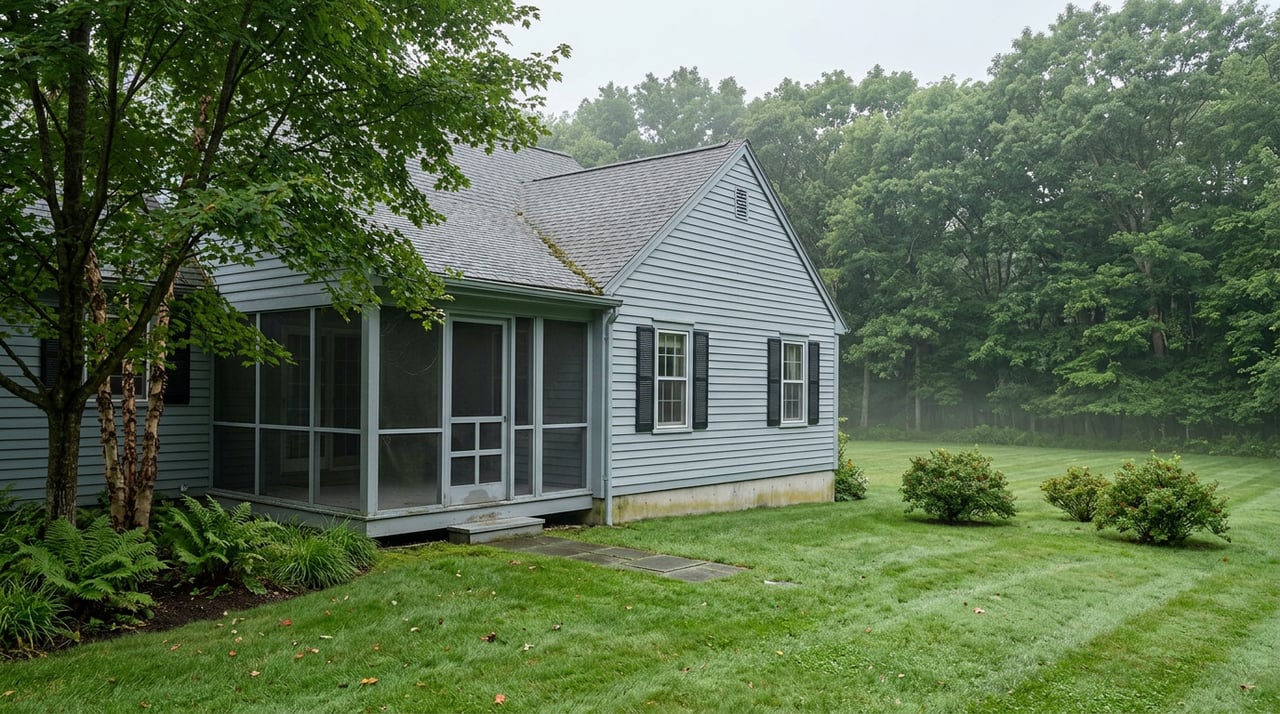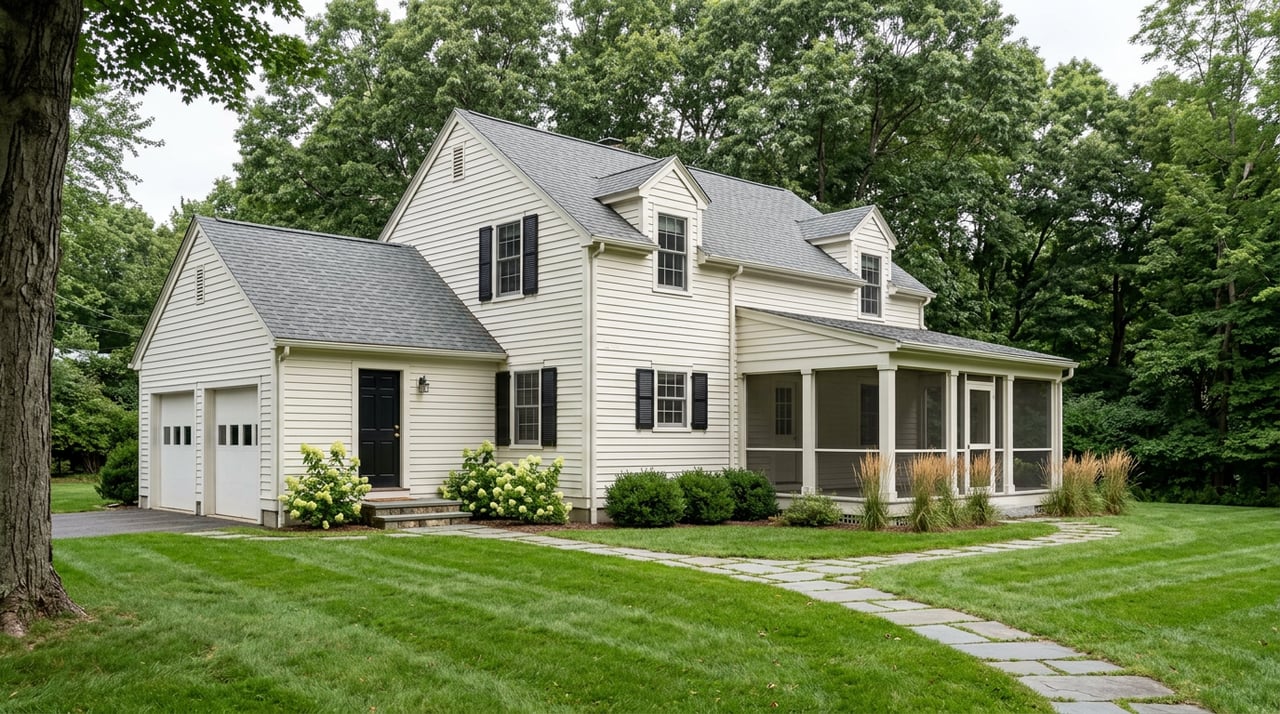
A buyer relocating from Boston walks into your Catskill closing expecting the septic paperwork every Massachusetts seller hands over at transfer. A buyer from Long Island expects the county certification their last home required. Neither exists here. Greene County does not issue a point-of-sale septic certificate, and that gap is the single most important thing a seller on private wastewater should understand before signing a listing agreement.
The absence of a county gate sounds like good news. It usually is not. When the county steps out of the transaction, the buyer's private inspector and the buyer's lender step in, and they set the standard.
The gate that isn't there
New York regulates onsite wastewater through Appendix 75-A of the State Sanitary Code, with local oversight from county health departments. That structure sounds uniform. It is not. State baseline rules get overruled by 62 different county interpretations, so you face one set of standards from Albany and another from your county health department. Transfer inspections are mandated in a minority of New York counties, and Greene is not among them.
The Environmental Health Division designs and approves plans for new or proposed sewage treatment systems on vacant lots, evaluates property line changes, provides guidance to homeowners experiencing problems with existing systems, evaluates the need for alteration, repair or replacement of a malfunctioning system, and inspects existing sewage treatment systems when requested or required. What that list does not include is a certificate you can hand to a title company on closing day.
Contrast that with Erie County, where Article IV Section 12 of the Erie County Sanitary Code requires that a Property Transfer Certification be issued by the Erie County Department of Health prior to any transfer of title involving a property serviced by an onsite wastewater treatment (septic) system and/or an individual water supply (private well). Nothing like that document sits in a Catskill seller's file at closing.
Who actually decides whether your septic passes
When no county certificate is required, the buyer's chosen inspector and the buyer's lender become the gate. Their standards, their timeline, their leverage.
While state law does not mandate inspections for property sales, many counties and lenders do require them. In Catskill practice, that means most contracts with financing include a septic contingency, and the inspector the buyer hires is the one who writes the report the lender relies on. Two implications follow.
First, the seller has no vote in who conducts the inspection or how they interpret gray areas. Second, any conditions flagged in that report become negotiation ammunition, and the negotiation happens after the property has already been under contract, when the seller has stopped showing the home and has emotional and financial momentum working against them.
What Appendix 75-A expects of your system
Before you list, compare your actual system to the state baseline. Appendix 75-A sets minimum design standards that counties can exceed but cannot loosen. The ones a buyer's inspector will check first:
- A three-bedroom home needs a 1,000-gallon minimum tank capacity, and four bedrooms require 1,200 gallons. A 900-gallon tank serving a home marketed as three-bedroom is a fast disqualifier.
- A 150-foot minimum setback from water wells is required statewide.
- Absorption fields require 20 feet from property lines and 100 feet from surface water bodies. Homes near the Catskill Creek, Hans Vosen Kill, or any wet-weather drainage on the parcel should be measured against that setback before a buyer's inspector measures it for you.
- Soil testing requirements include percolation tests and soil profile evaluations to 6 feet below the proposed absorption field, with test holes every 50 feet across the leach field area. You will not redo these, but the original permit file at Greene County Environmental Health may still have them.
If any of those numbers do not match your property, that is the friction to price for now rather than discover under contract.
The pre-listing package that removes friction
The single most valuable thing you can hand to a buyer's agent is a complete septic documentation package, because homes with documented maintenance histories sell for more, since they remove the uncertainty that makes buyers nervous. In Catskill, that package should include:
- The original construction permit and as-built diagram, which your septic service company or county health department may have on file if you do not.
- Pumping records for the last three to five years. Recommended pumping frequency is every 3-5 years, depending on household size and tank capacity.
- A completed New York Property Condition Disclosure Statement with the septic and water sections filled honestly. New York sellers must disclose known issues; silence about a known problem is a post-closing liability.
- Optional but persuasive: a recent pre-listing inspection report. National inspection pricing runs between $200 and $900, with a national average near $550, and Catskill vendors generally sit within that band. A clean report attached to the listing takes the septic contingency off the negotiation table before it ever gets there.
One caution about vacant homes and second homes. Even a professional inspection may fail to identify septic system deficiencies or problems if the house is vacant, and the buyer should make certain the evaluation was done when the system was being used normally for the previous thirty to sixty days. Weekend-use homes in the Historic District and around Main Street especially need to be occupied and running water at normal household volumes for a month or more before a meaningful inspection can happen.
When the inspection turns up trouble
If a system does not pass on the first inspection, the sale does not end. The seller has three paths, and each carries a different cost and timeline profile.
Repair before closing. Completing repairs before listing restores passing-inspection status, opens the property to FHA and VA buyers, and typically recovers full market value, and this path makes the most sense when the total repair cost is well below $5,000.
Full replacement. Full replacement costs $3,000 to $15,000 for a conventional system and $10,000 to $20,000 or more for a mound or advanced system, with permitting plus installation typically taking 4 to 12 weeks depending on the county. Four to twelve weeks is the number to internalize. If you list in October and the inspection fails in early November, a mound replacement can push closing into February.
Sell as-is with a price adjustment or escrow. Buyers and sellers can agree to escrow repair costs if issues arise. This preserves the timeline but narrows the buyer pool, because FHA and VA loans typically require passing systems at closing.
The Greene County fee structure matters here too. If you pull a repair permit and the initial inspection fails for a small issue, re-inspection fees are incurred whenever an inspection finds an incomplete or disapproved installation, so a gravity-flow leach field where inspectors find a missing tank filter, lines off contour, or an out-of-level tank incurs a $150 fee that must be paid before the corrections are reviewed. Budget for at least one re-inspection when planning a repair timeline.
What the current Catskill market says about timing
Over the three months ending April 2026, Greene County home prices were up 14.8% compared to the same period last year, selling for a median price of $399K, and homes sold after an average of 80 days on the market compared to 110 days last year. Faster market, higher prices. That sounds like seller conditions, and it is.
But faster days-on-market also means a septic surprise is more expensive in opportunity terms than it was a year ago. In a 110-day market, a two-week septic renegotiation is background noise. In an 80-day market, it is a quarter of your typical time under contract, and it happens after other buyers have moved on to other listings. A septic-clean listing prices at the top of its band. A septic-uncertain listing prices with a discount buyers will ask for whether or not you offered it.
FAQ
Does Greene County require me to hand over any septic paperwork at closing? No transfer certification is required by the county. You are still bound by New York's disclosure obligations, and your buyer's lender may require documentation the county does not.
Should I pump the tank right before the buyer's inspection? Not without asking the inspector first. Many inspectors need a partially or fully pumped tank to assess the bottom and baffles accurately, but pumping the day before a scheduled inspection can also strip evidence the inspector wants to see. Coordinate.
Who pays for the inspection when the buyer's lender requires one? In New York the default follows national practice: in most U.S. home sales, the buyer pays for the septic inspection as part of their due diligence. That default can be renegotiated in the contract, but sellers should not assume the cost lands on the buyer without confirming it in writing.
What if my property is on a private well too? Treat well documentation the same way you treat septic documentation. A buyer's inspector will pull a water sample and the lender will likely require a potability and flow test. Recent test results in your pre-listing file save a round of negotiation.
Ready to list without the septic surprise
The sellers who move a Catskill home in the current market are the ones who resolve septic uncertainty before a buyer's inspector ever pulls up the driveway. If your home is on private wastewater and you are thinking about a fall or spring listing, the team at CENTURY 21 New West Properties can help you build the pre-listing package, sequence the disclosure, and price with the documentation in hand. Request a free property valuation and we will walk your specific system, records, and timeline before you commit to a listing date.