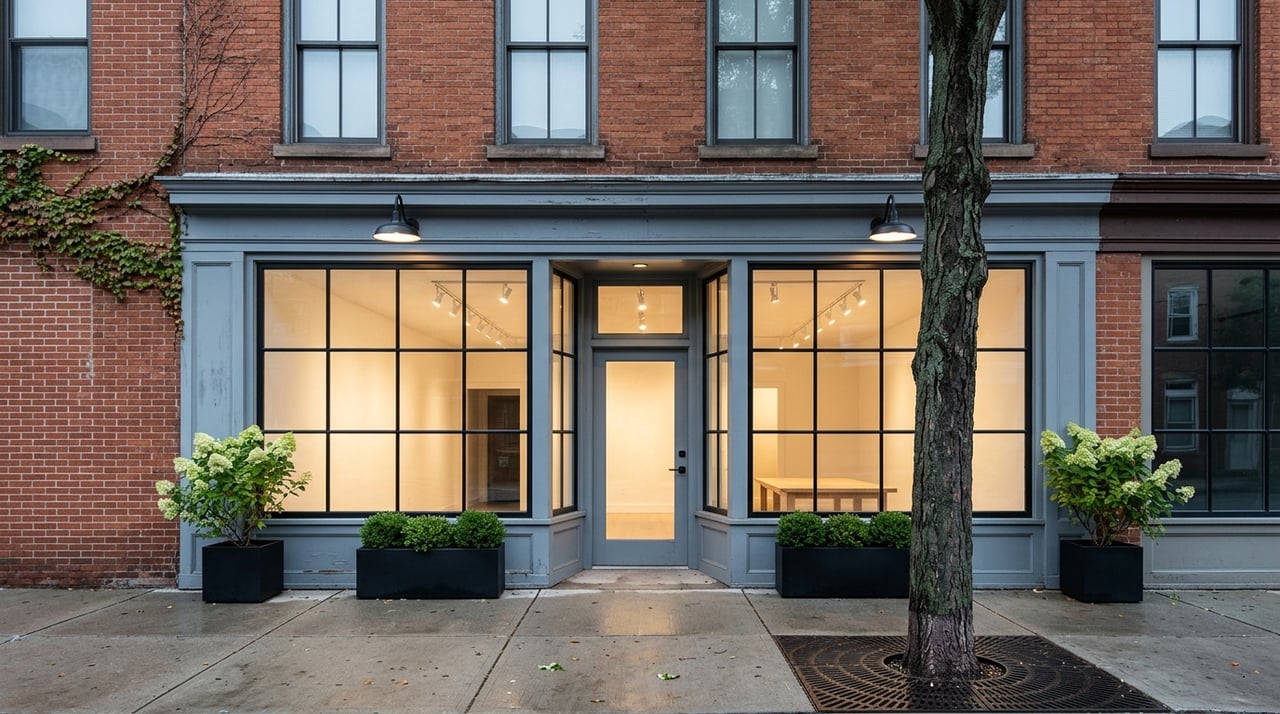
If you are drawn to places with character, creativity, and everyday convenience, Catskill Village deserves a closer look. In this part of Greene County, the local arts scene is not tucked away in one corner of town. It is woven into Main Street, the waterfront, and the historic buildings that shape daily life. If you are thinking about buying a home here, understanding that connection can help you find the right fit. Let’s dive in.
Why arts matter in Catskill Village
In Catskill Village, the arts scene is part of how the village functions, not just how it markets itself. Local officials describe Catskill as a scenic Hudson River community with deep history and artistic heritage. The village’s 2024 Downtown Revitalization Initiative application also presents the Downtown Creek District as a walkable center with stores, restaurants, businesses, cultural venues, residences, and Catskill Creek running through it.
That matters when you are shopping for a home. In some towns, arts venues feel separate from residential life. In Catskill, the downtown core ties together housing, small business activity, and cultural spaces in a way that can shape your day-to-day routine.
Where the arts scene is centered
If you want to live near the creative heart of the village, the strongest activity is concentrated around Main Street, West Main Street, Water Street, Bridge Street, and the Catskill Creek waterfront. These areas connect many of the village’s cultural spaces with homes, apartments, and mixed-use buildings.
The downtown district runs along historic Main Street and West Main Street from Route 9W to the marinas. That layout helps explain why people often describe Catskill as both compact and active. You can move through a small area and encounter shops, dining, residences, and arts-related destinations in a single outing.
Key cultural anchors
Catskill’s arts identity has both historic depth and a strong present-day network. The Thomas Cole National Historic Site is especially important because the National Park Service describes it as the place where American art was born and where the Hudson River School began.
Today, that legacy is supported by a dense collection of creative spaces for a village of this size. The current network includes:
- CREATE Council on the Arts on Main Street
- Bridge Street Theatre, a performing and visual arts complex in a refurbished industrial building
- Foreland, with artist studios, commercial storefronts, coworking, and waterfront programming
- Cone Zero on Water Street and Main Street, offering ceramics classes, workshops, studio memberships, and open studio time
- Gallery 495 in a renovated industrial complex
- LUMBERYARD, a nonprofit performing arts and film campus in the center of Catskill
For a homebuyer, this means the arts scene is not just a seasonal event calendar. It is tied to real places and active buildings throughout the village core.
How the village setting shapes home choices
Catskill Village appeals to many buyers because it offers something hard to replicate in more spread-out areas: historic character plus walkability. The village’s planning documents describe downtown as a cluster of two- and three-story mixed-use buildings with pedestrian-scale streets and civic offices.
If that lifestyle fits your goals, living in or near the village core can mean easier access to daily errands, local businesses, and cultural venues. You may not need a major outing to enjoy what the community offers. A short walk can connect you to the waterfront, a gallery, a performance space, or a coffee stop on Main Street.
Historic homes and buildings add character
Catskill’s built environment is a major part of its appeal. The East Side Historic District was listed on the National Register in 1982 and includes 530 contributing buildings and one contributing site across more than 200 acres.
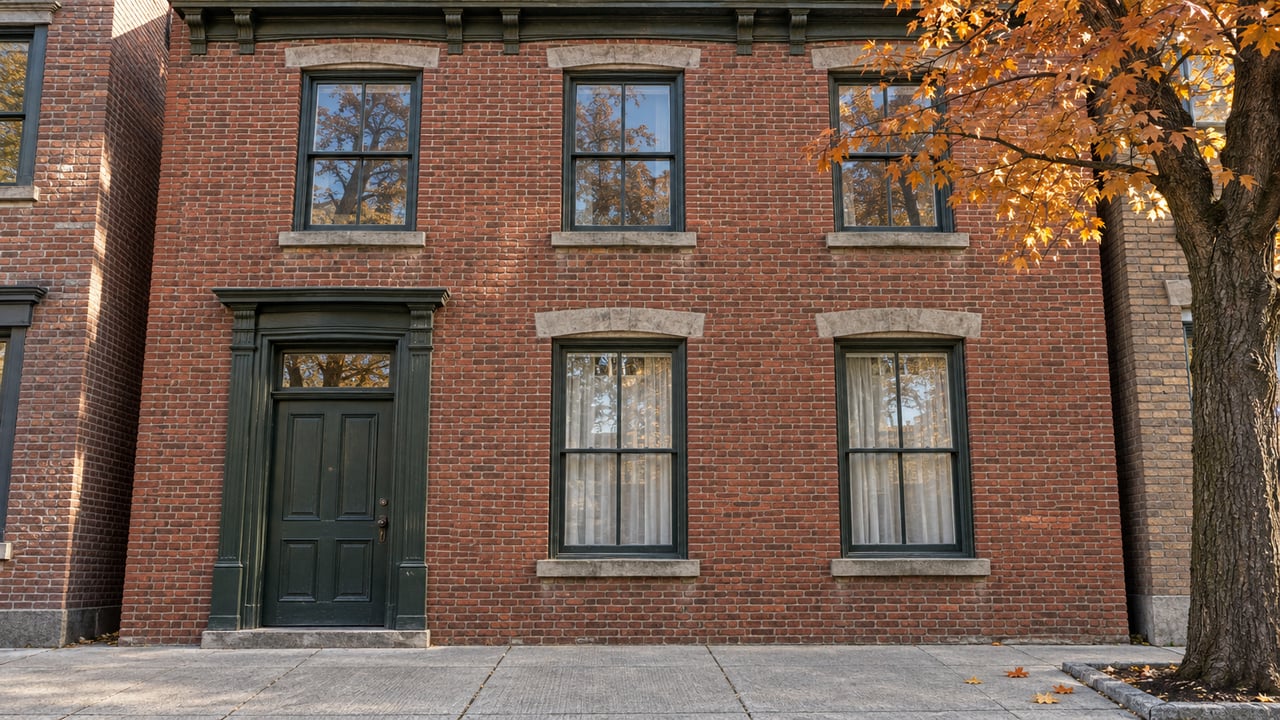
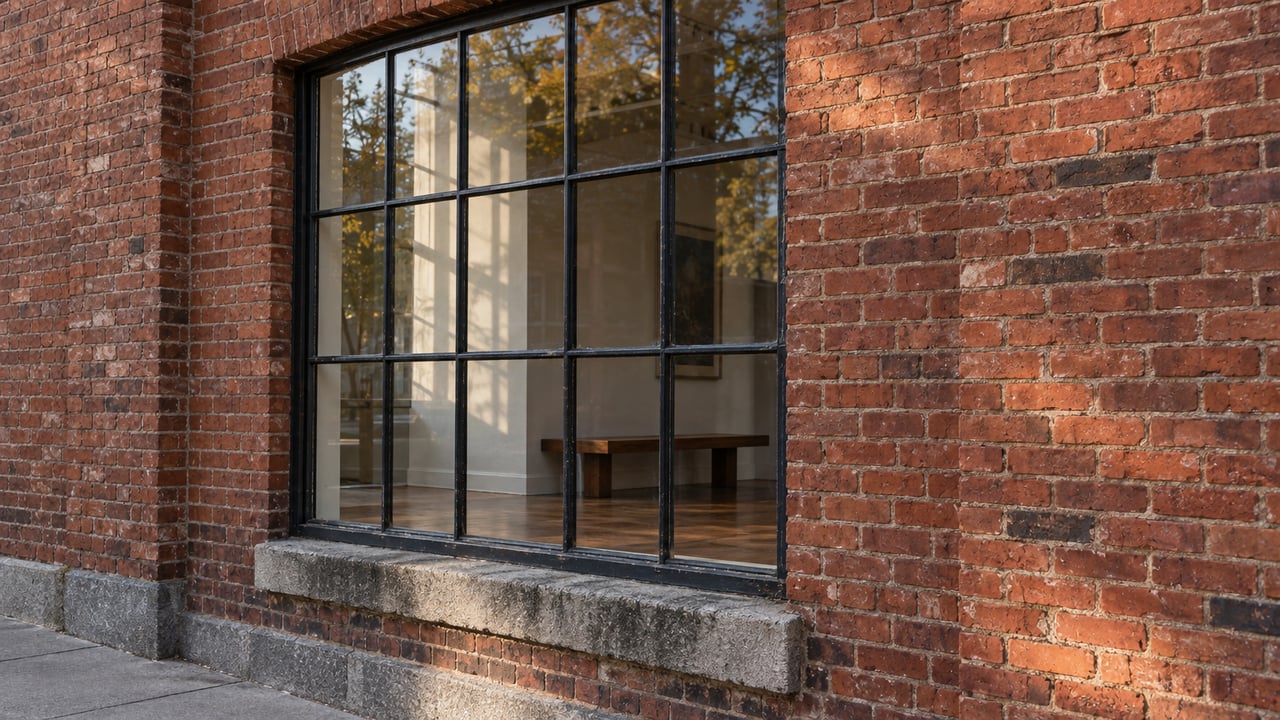
For buyers, that usually translates to a housing stock with visual character and a strong sense of place. You may see older homes, village houses with architectural detail, and buildings that reflect the long history of the community. That kind of setting can be especially attractive if you value authenticity over newer, more standardized construction.
The tradeoffs buyers should understand
Character and walkability often come with practical considerations. Catskill’s comprehensive plan notes vacant storefronts, underused upper floors, and a need for sidewalk, ADA, and parking improvements in parts of downtown.
That does not make the village core less appealing, but it does mean you should view homes here with clear eyes. Older buildings may require more ongoing care, renovation planning, or updates over time. Parking can also feel tighter than it would in neighborhoods with larger lots and wider setbacks.
Questions to ask when touring homes
If you are considering a home in or near the village center, it helps to focus on a few practical points:
- How does parking work for this property?
- Is the home part of a historic area that may affect exterior changes?
- What updates have already been completed?
- How much maintenance should you expect with an older structure?
- How close do you want to be to Main Street activity and waterfront traffic?
These are not warning signs. They are part of matching your lifestyle to the right property.
Adaptive reuse is part of the housing story
One of the most interesting parts of Catskill’s market is how closely housing and reinvestment are tied together. The 2024 Downtown Revitalization Initiative application reports that more than $90 million has been invested in the district over the last decade, with nearly $68 million invested adjacent to it. It also notes $24.4 million in current and planned projects.
For buyers and investors alike, that level of activity signals momentum. It suggests that Catskill’s village core is not standing still. The local pattern of redevelopment supports the idea that arts, commerce, and housing are growing together.
New units and conversions to watch
The current project list includes:
- More than 20 new housing units
- Improvements to 81 existing moderate-income housing units
- Apartment-and-retail conversions, including projects at 193-201 West Main and 323 Main Street
This is where Catskill stands out. Instead of separating cultural energy from residential growth, the village is seeing new housing and adaptive reuse happen in the same broader environment that supports studios, performance spaces, and maker businesses.
Why this appeals to today’s buyers
For many home shoppers, Catskill Village offers a specific kind of lifestyle. It can appeal to people who want a home where they can enjoy local events, creative spaces, and a walkable downtown without giving up the small-town feel of Greene County.
It may also appeal to buyers who see housing as more than square footage. If you value being near historic streets, waterfront activity, and regularly used cultural venues, Catskill offers a setting where those elements are part of normal life.
Who may find Catskill Village a strong fit
You may want to explore homes here if you are looking for:
- A village setting with a recognizable downtown core
- Historic housing stock with architectural character
- Walkability to shops, restaurants, and cultural venues
- A community with visible reinvestment activity
- Mixed-use surroundings that feel active rather than isolated
On the other hand, if your top priority is a large lot, easy off-street parking, or a quieter low-density setting, your search may need to extend beyond the village center.
How to shop smart in Catskill Village
When you buy in a place with older housing and active redevelopment, local knowledge matters. Two homes that look similar online can offer very different experiences depending on street layout, parking, building condition, and distance from the busiest parts of downtown.
That is why it helps to look beyond the listing photos. You want to understand how a property connects to the village fabric, what kind of upkeep may come with it, and how its location supports the lifestyle you want.
A thoughtful home search in Catskill should balance charm with practicality. The right property is not just the one with the most character. It is the one that aligns with how you want to live in the village every day.
If you are exploring Catskill Village homes and want a clearer picture of where arts, walkability, and housing opportunity come together, the team at CENTURY 21 New West Properties can help you navigate the market with local insight and a practical strategy.
FAQs
Where is the arts scene concentrated in Catskill Village?
- The strongest arts activity is centered around Main Street, West Main Street, Water Street, Bridge Street, and the Catskill Creek waterfront.
Is downtown Catskill walkable for homebuyers?
- Yes. Village planning documents describe the downtown area as a pedestrian-scale, walkable center linked to stores, restaurants, residences, cultural venues, and the waterfront.
What kind of homes are common in Catskill Village?
- Buyers will often find older homes, mixed-use buildings, and historically significant structures that reflect the village’s long-established character.
Are new housing projects part of Catskill Village growth?
- Yes. The current downtown revitalization plan includes more than 20 new housing units, upgrades to 81 existing moderate-income housing units, and several apartment-and-retail conversion projects.
What should buyers consider before purchasing a home in downtown Catskill?
- Buyers should pay close attention to parking, building condition, possible renovation needs, and the realities of living in a compact mixed-use village setting.
Why does the local arts scene matter when buying a Catskill home?
- The arts scene helps shape daily life in the village because many cultural venues, studios, and creative businesses are located within the same walkable core as homes, shops, and waterfront spaces.