Thinking about trading city blocks for river views and more breathing room? If Catskill is on your radar, the biggest surprise is usually not just the extra space. It is how daily life shifts when you move to a lower-density town with a village center, open land, different parking habits, and a more car-aware routine. This guide will help you understand what really changes when you relocate from the city to Catskill so you can make a smart, confident move. Let’s dive in.
Catskill Feels Different From Day One
Catskill is not a city-adjacent suburb in the usual sense. It is a town in southeastern Greene County that includes the Village of Catskill, with an estimated 2024 population of 11,195 and a population density of 186.9 people per square mile. That creates a very different day-to-day feel from a dense urban environment.
You will notice the shift in pace quickly. The town includes a defined village center, but it also has substantial surrounding open land, and the western part of the town reaches into Catskill Park. Official local descriptions highlight the Hudson River setting, historic character, artistic heritage, and outdoor beauty, which gives Catskill a stronger small-town and regional-outdoors identity than a typical commuter suburb.
Housing Looks Less Uniform
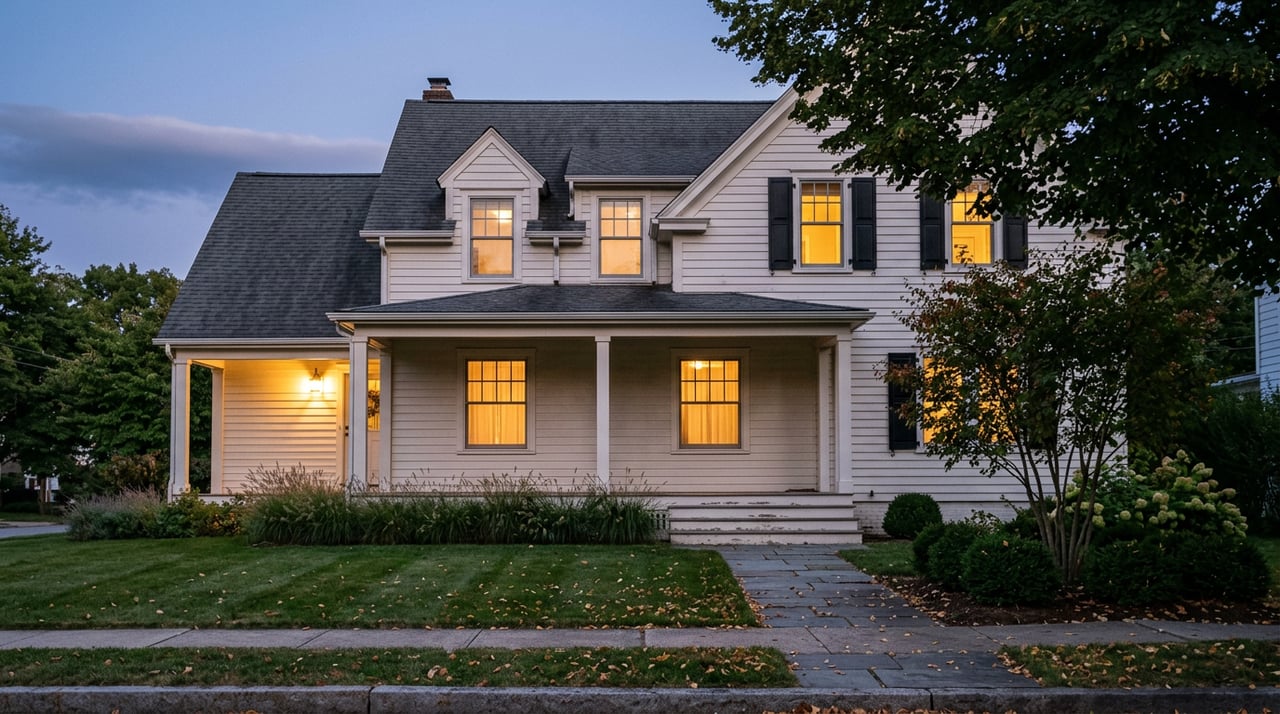
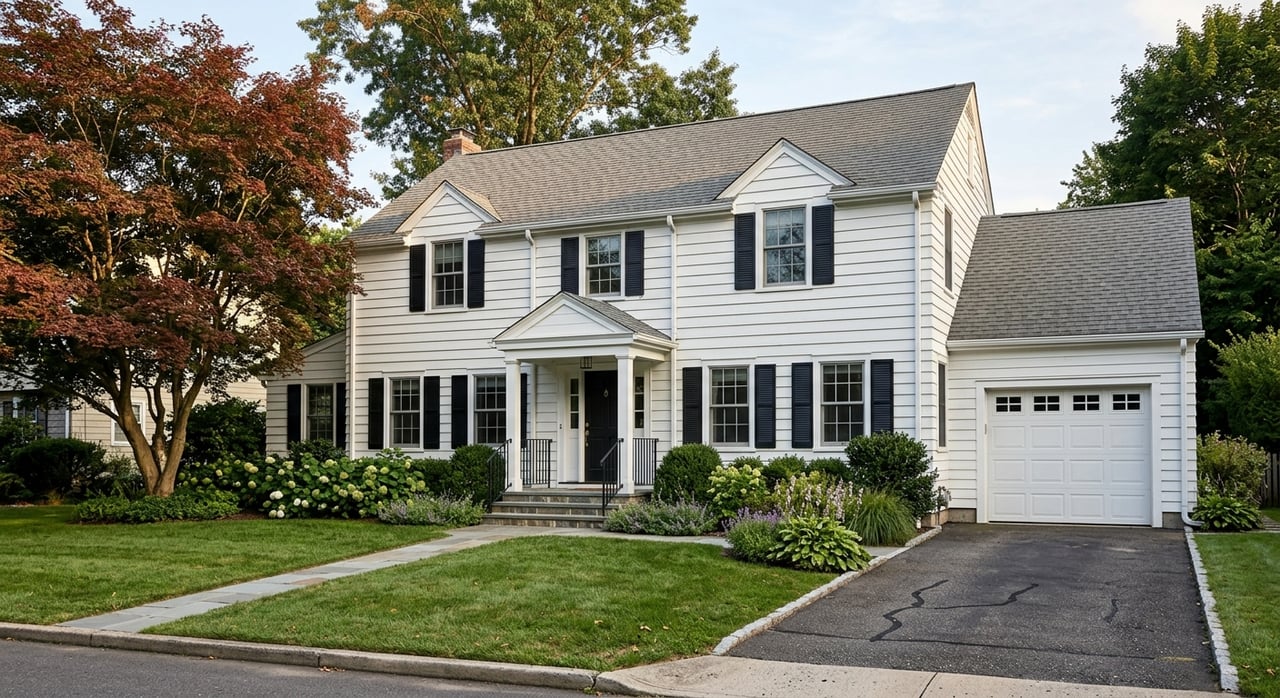
One of the biggest changes for city buyers is that Catskill does not offer one standard housing pattern. Local planning documents point to a mix of historic homes, barns, older industrial buildings, downtown mixed-use properties, and more rural residential areas. In practical terms, you are shopping across several micro-markets, not one single product type.
That matters because your experience can vary a lot depending on where you buy. A home near the village core may offer a more walkable rhythm and easier access to Main Street businesses. A property outside the center may offer more privacy, larger lots, and a more rural feel, but it can also come with different utility, parking, and maintenance considerations.
Lot Size Expectations Change
Catskill zoning makes it clear that lot sizes can be much larger than many city buyers expect. In the RA rural residential/agriculture district, minimum lot size can range from 1.5 acres without public water or sewer to 0.5 acre with both utilities. Other districts also vary, including 0.5 acre in MR and 0.25 acre in HR.
That means land is often part of the lifestyle equation here. If you are used to a compact lot or attached living, you may need to think more about yard upkeep, snow clearing, driveway length, and how much outdoor space you actually want to manage.
Accessory Space Has Rules
If you are hoping for a guest suite, multigenerational setup, or a small accessory apartment, you will want to check the rules early. In Catskill, accessory apartments are allowed only by site plan review, only one per lot, and they must be between 400 and 800 square feet. They also need off-street parking on the same parcel.
For a city buyer, that is an important shift. Flexible living space may still be possible, but it is more regulated than simply imagining a finished lower level or detached structure will work for every use.
Utilities Need More Attention
In the city, utility service is often something you barely think about. In Catskill, it deserves early attention in your home search. Local planning documents note that the Village of Catskill owns and operates a public water supply, and town zoning standards vary based on whether public water and sewer are available.
This means two homes with similar price points can function very differently. A property in or near the village may connect to public systems, while an outlying property may require more due diligence around water and wastewater service. If you are relocating from the city, this is one of the most important early questions to ask before you fall in love with a listing.
Renovations Are More Permit-Driven
Many city buyers assume owning outside the city means fewer rules. In Catskill, that is not always the case. The town requires permits for new construction, renovations, additions, decks, swimming pools, re-roofing, storage sheds and outbuildings, solar projects over 25 kW, municipal sewer connections, and septic installations.
That does not mean improving a property is difficult. It means you should plan for a more permit-aware ownership experience, especially if you are buying an older home, a rural property, or a place you want to personalize soon after closing.
Older Homes Need Careful Planning
Catskill planning documents emphasize the area’s traditional and historic built environment. For buyers, that can be part of the appeal. Historic homes and older buildings often offer character, setting, and architectural detail that are hard to find in newer markets.
At the same time, older housing stock usually rewards careful inspection and realistic project planning. If you are moving from a condo or recently updated apartment, the ownership mindset may shift from convenience first to stewardship first.
Commuting Changes More Than You Think
For many city relocators, the largest daily-life change is transportation. The average travel time to work in Catskill is 27.6 minutes, which already hints at a different pattern from a dense transit-first environment. Even when destinations are not far, the routine usually becomes more car-aware.
Trailways lists a Catskill Park & Ride stop at Exit 21 of the New York State Thruway. Service information shows Catskill to Albany at about 34 miles and roughly 50 minutes, with two daily trips listed, while New York to Catskill averages about 3 hours, also with two daily trips.
The practical takeaway is simple. Albany can work as a regional commute for some buyers, but a daily New York City commute is a much bigger lift and makes more sense for hybrid or occasional travel rather than a five-day routine.
Rail Access Is Regional, Not In-Town
If rail access matters to you, Hudson is the key station to know. Amtrak’s Empire Service includes Hudson on the New York to Albany corridor, and Amtrak lists it as a staffed station.
That can be helpful for buyers who want another travel option, but it is still a regional solution rather than a walk-to-train setup. If you are used to stepping onto transit with minimal planning, Catskill may require a more intentional travel routine.
Parking Becomes a Real Lifestyle Factor
Parking is one of the least glamorous parts of relocation, but in Catskill it can shape everyday convenience. In the Village of Catskill, metered parking runs Monday through Saturday from 9:00 a.m. to 5:00 p.m., with Sundays and legal holidays exempt. Local planning documents also note parking pressure downtown and at Dutchman’s Landing.
Outside the village center, the rules shift again. The Town of Catskill bans parking on town highways from November 15 through March 31 to support snow removal. For city buyers, this means off-street parking, driveway count, and winter access matter more than they might at first glance.
Ask These Parking Questions Early
Before you buy, it helps to think beyond whether a home simply has parking. You should also consider how parking works in real life.
- How many cars fit off street?
- Is guest parking easy or limited?
- Will winter snow removal affect where you park?
- Does the property have a long driveway to maintain?
- If you want an accessory apartment, is there enough on-site parking to support it?
The Pace of Life Is Slower and More Seasonal
Many people move to Catskill for space, scenery, and a change of rhythm. Local sources point to access to Catskill Park, the Hudson River, Dutchman’s Landing, Main Street businesses, and the Thomas Cole National Historic Site. The village plan also describes the community as shaped by rural landscape and natural areas, while supporting compact, walkable patterns in the village core.
That mix is a big part of Catskill’s appeal. You can have a more compact village experience or a more private rural setting, but either way the lifestyle tends to feel slower, more seasonal, and more connected to weather, roads, and outdoor access than city life.
Outdoor Access Comes With Tradeoffs
The outdoor side of Catskill is real, but it is not always effortless. The New York State Department of Environmental Conservation says the Kaaterskill Clove area of Catskill Park is among the state’s most visited outdoor destinations and can experience traffic and parking congestion.
So yes, outdoor recreation is part of the draw. But in busy seasons, access can require planning, patience, and realistic expectations around traffic and parking.
How To Decide If Catskill Fits You
Catskill tends to be a better fit when you want more space, a small-town feel, and a lifestyle that balances village access with regional outdoor amenities. It also helps if you are comfortable with a more car-aware routine and understand that property decisions often involve lot size, utilities, permits, and winter logistics.
As you compare homes, focus on a few core questions:
- Do you want village walkability or rural privacy?
- Do you prefer public water and sewer, or are you open to a property outside those systems?
- How important is off-street parking?
- Will your work schedule support a regional commute pattern?
- Are you looking for historic character, simpler maintenance, or more land?
If you answer those questions clearly, your move becomes much easier to plan. Instead of asking whether Catskill is “like the city,” you can ask whether the version of Catskill you choose fits the life you want next.
A move from the city to Catskill is less about leaving convenience behind and more about trading one kind of convenience for another. You may gain space, scenery, and a stronger sense of place, while taking on a more intentional approach to transportation, utilities, parking, and homeownership. If you want local guidance on comparing village homes, rural properties, or homes with unique renovation potential, CENTURY 21 New West Properties can help you navigate the details with clarity and confidence.
FAQs
What changes most when relocating to Catskill from the city?
- The biggest changes are usually lower density, a more car-aware routine, different parking rules, more attention to utilities, and a slower, more seasonal pace of life.
What should buyers know about Catskill housing before moving?
- Catskill has several micro-markets, including village homes, historic properties, mixed-use downtown areas, and more rural residential options, so housing styles and ownership needs can vary widely.
What should relocators ask about Catskill utilities?
- You should verify early whether a property has public water and sewer, since zoning standards and ownership experience can differ based on utility availability.
What should city buyers know about Catskill parking?
- Parking matters more than many buyers expect because the village has metered areas, downtown parking pressure exists, and the town bans parking on highways during part of the winter season.
Is commuting from Catskill to New York City easy?
- Trailways service shows New York to Catskill at about 3 hours with two daily trips listed, so it is better framed as a hybrid or occasional commute than a typical daily trip.
Is Catskill a good fit for buyers who want outdoor access?
- Catskill offers access to the Hudson River, Catskill Park, Dutchman’s Landing, and other outdoor destinations, but popular areas can also bring seasonal traffic and parking congestion.