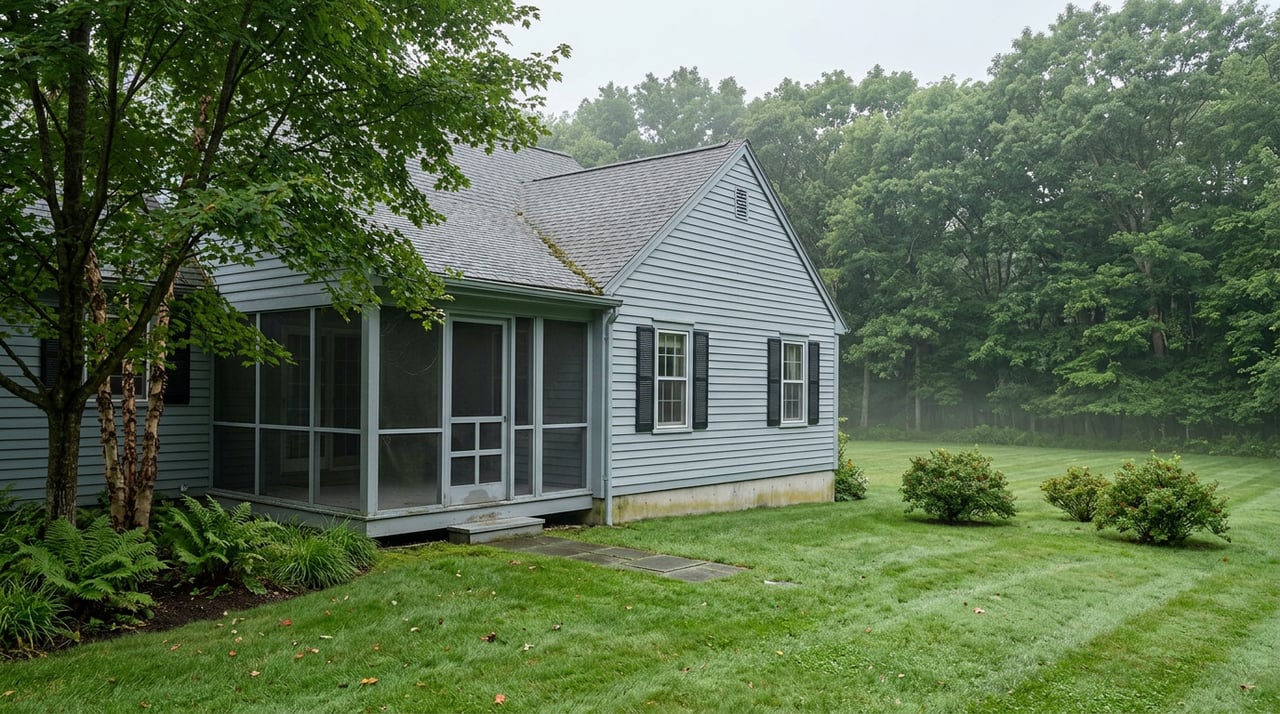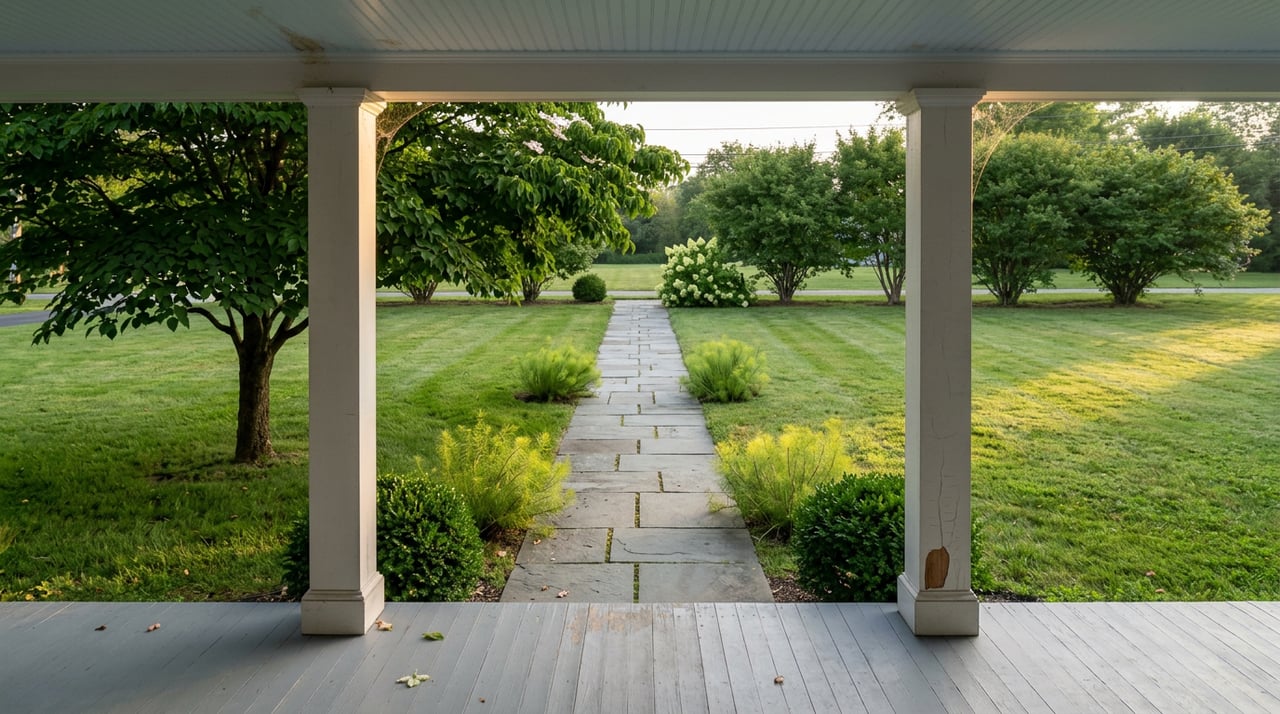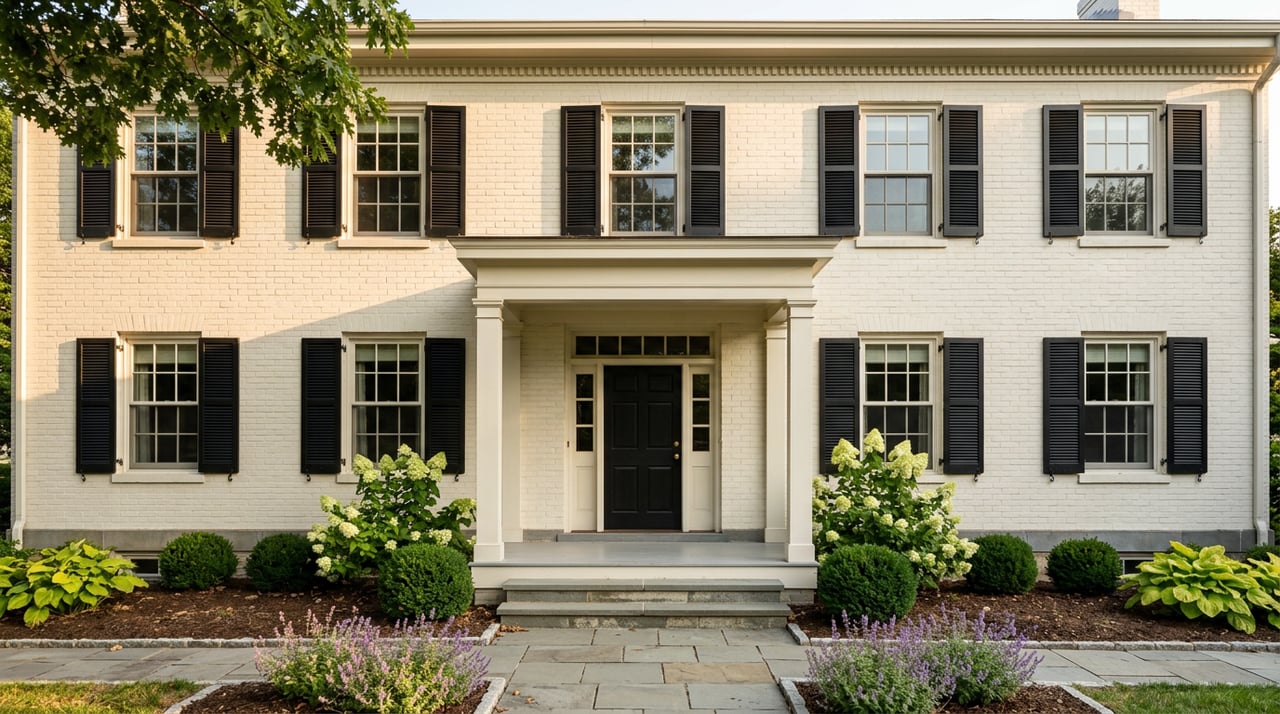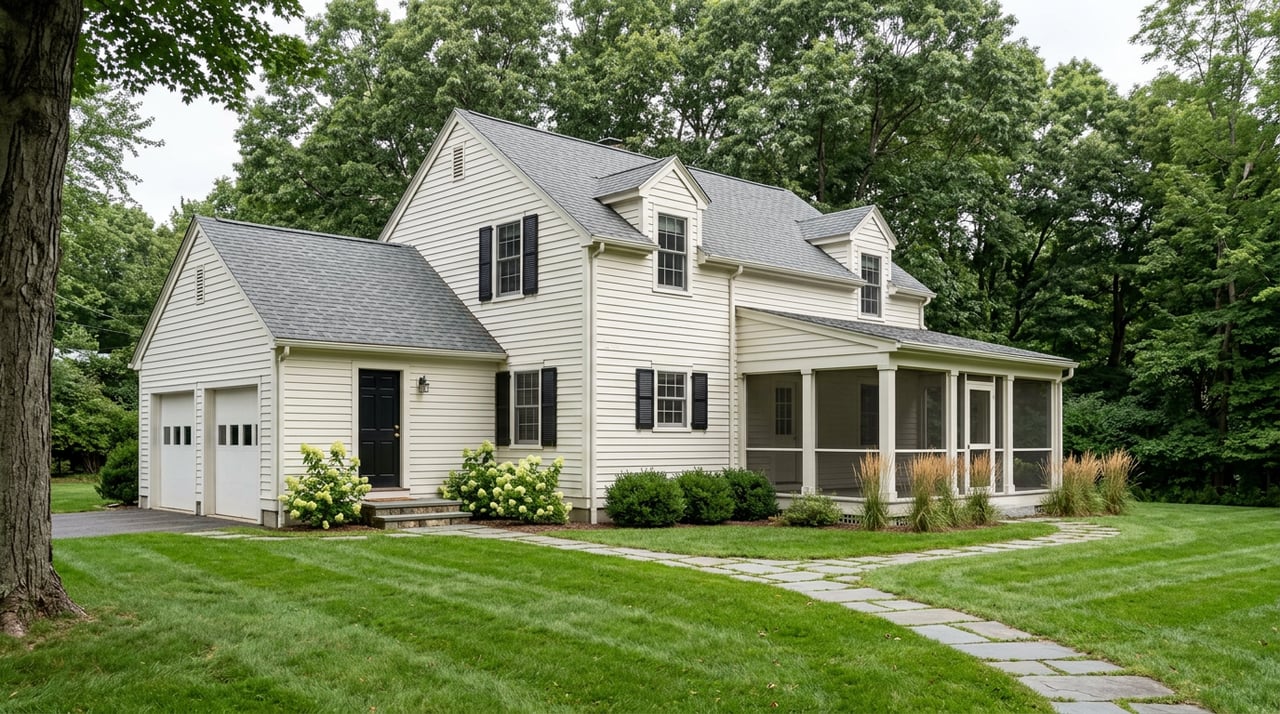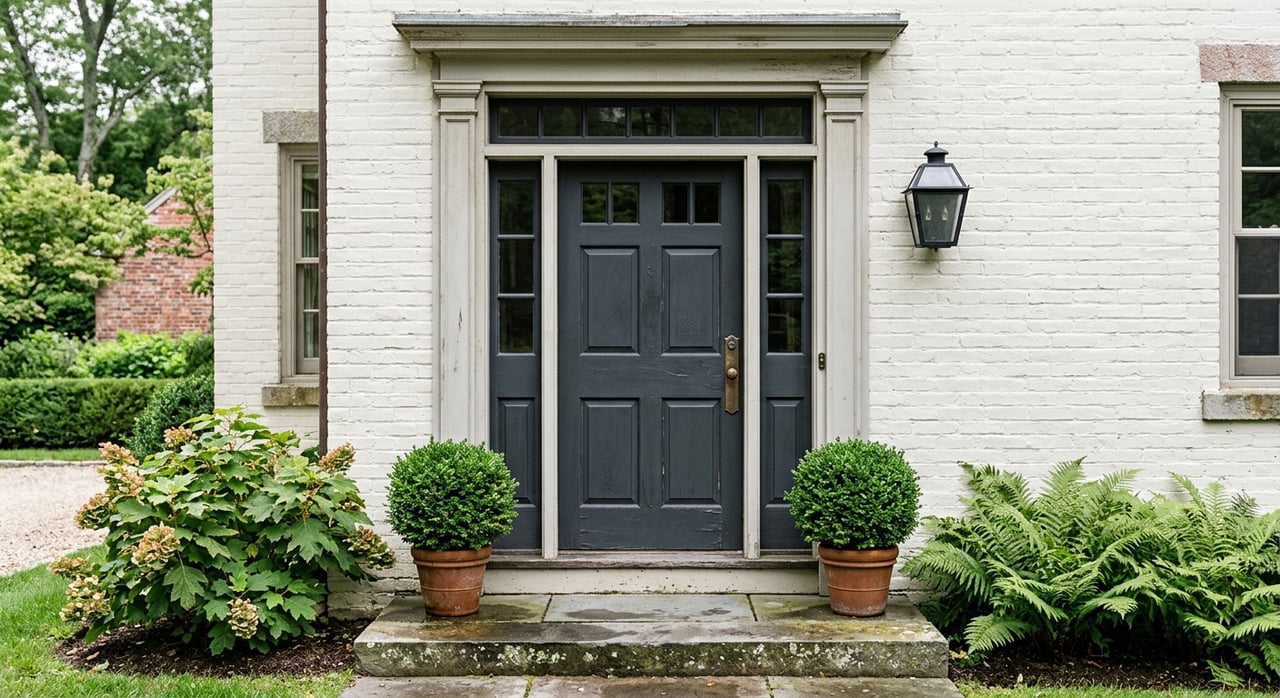
Thinking about buying a historic home in Rhinebeck? You are not alone. From centuries-old stone houses to detailed Victorian-era properties, Rhinebeck offers a rare mix of historic homes that can be deeply rewarding to own, but they also come with rules, repair needs, and due diligence that differ from a standard purchase. This guide will help you understand what to look for, what to ask, and how to move forward with more confidence. Let’s dive in.
Why Rhinebeck Historic Homes Stand Out
Rhinebeck has an unusually rich historic housing stock. The Village historic district covers most of the central village and includes about 577 buildings, with a period of significance that generally spans 1700 to 1945. The broader town also includes historic resources dating from the 1700s through 1948.
That means when you shop for a home here, you may see everything from early stone and frame houses to later 19th and early 20th century styles. The district includes notable buildings such as the Beekman Arms, General Montgomery House, and Henry Delamater House, which gives you a sense of the architectural range and preservation value found in Rhinebeck.
What Styles You May Find
Rhinebeck's historic architecture covers a wide span of design traditions. According to the town's historic preservation guidance, buyers may encounter Colonial, Georgian, Federal, Greek Revival, Gothic Revival, Italianate, Second Empire, Queen Anne, Eastlake, Shingle, Tudor, Spanish Revival, Beaux Arts, and Craftsman influences.
Many homes also feature materials and details that define their historic character. Common exterior materials include fieldstone, stucco, wood clapboard, and vertical board-and-batten. Roof shape, windows, porches, doors, trim, and overall massing often matter just as much as the materials themselves.
Think Preservation, Not Blank Slate
One of the biggest mindset shifts for buyers is this: many historic homes in Rhinebeck are better understood as preservation projects, not full blank-slate remodels. Local guidance generally favors keeping original rooflines, openings, decorative details, and overall building form whenever possible.
That does not mean you cannot make updates. It means your best path is usually to make changes that are compatible with the home's original design rather than trying to erase it. If you love character, this can be a major advantage. If you want to dramatically rework the exterior, it is smart to understand the limits before you make an offer.
What To Check During Inspections
Historic homes can be wonderful, but they need careful evaluation. A standard home inspection is important, yet older properties often benefit from added attention to materials, water management, and any previous renovations.
Watch For Moisture First
The National Park Service says moisture is the single most common cause of deterioration in older and historic buildings. Before you focus on cosmetic updates, look closely at roof drainage, gutters, downspouts, flashing, and how water moves away from the structure.
Water issues inside the house may appear before the exterior problem is easy to spot. The NPS also notes common warning signs such as missing mortar, cracks around windows and doors, ice dams, and clogged gutters. If a home shows staining, musty odors, peeling finishes, or softness in wood elements, ask more questions.
Ask Smart Masonry Questions
If the home has brick or stone masonry, repointing quality matters. The NPS recommends making sure any repointing mortar matches the historic material in strength, composition, color, and texture.
This is important because overly hard or incompatible mortar can damage historic masonry over time. It is also wise to ask whether any waterproof coatings were added to above-ground masonry, since the NPS warns those coatings should not be used as a substitute for proper repair.
Look Closely At Windows
Original windows are often a major part of a historic home's character. The National Park Service guidance on historic windows generally supports repair over replacement, with improvements such as weatherstripping or storm windows when better efficiency is needed.
If replacement has already happened or is being considered, design matters. Replacement windows should match the original in size, design, and visual appearance as closely as possible.
Check Roofs, Porches, And Doors
In Rhinebeck, roofs, porches, facades, and doors are especially important features. The town handbook recommends maintaining original roof shape and materials where possible, keeping flashing and gutters in good condition, and preserving porch scale and detail.
For buyers, this means deferred maintenance in these areas deserves extra attention. A worn porch or altered roof may affect not only repair costs, but also what future approvals may require.
Health And Safety Issues In Older Homes
Older homes can include materials that require added care during renovation. If a house was built before 1978, it may contain lead-based paint. The EPA explains that sellers must disclose known lead hazards in most pre-1978 housing, and renovation work that disturbs painted surfaces should generally be handled by lead-safe certified contractors.
Asbestos may also be present in older insulation, pipe wrap, flooring, siding, roofing, patching compounds, or textured finishes. The Consumer Product Safety Commission advises that intact asbestos is usually best left alone, but damaged material or planned disturbance should be handled by trained professionals.
Permits And Historic Review Matter
Before you buy, make sure you understand whether the property is inside the Village historic district or subject to town-level historic review. In the Village, new construction, major exterior additions, and major exterior modifications in the historic district face added scrutiny. The village code also requires a certificate before demolition or removal of historic or contributing buildings, and changes to roofline or building footprint can be treated as partial demolition.
Outside the Village, projects in the Town generally begin with a building permit application to the Zoning Administrator. The town's preservation guidance notes that historic projects may also be referred to the Planning Board, the Zoning Board of Appeals, or the Historic and Archaeological Preservation Advisory Committee, though not every project goes through each body.
Questions To Ask Before Making An Offer
Before you finalize an offer on a historic home in Rhinebeck, try to get clear answers to a few key questions.
- Is the property inside the Village historic district or subject to Town historic rules?
- Is the building considered contributing, noncontributing, or otherwise designated?
- Will your planned work affect the roofline, footprint, windows, doors, porch, facade, or accessory structures?
- What approvals or permits are needed before design work or contractor bids begin?
- Are there barns, sheds, carriage houses, or other accessory buildings that may also have historic importance?
These questions can help you avoid surprises after closing. They also help you build a more realistic budget and timeline from the start.
Don’t Overlook Accessory Structures
In Rhinebeck, the main house is not always the whole story. Town guidance notes that accessory structures such as barns, carriage houses, and sheds can contribute to a property's historic significance and should be documented and preserved when they are important to the site.
That matters if you are buying a property with outbuildings you hope to renovate, expand, or remove. Be sure those structures are part of your due diligence and not treated as an afterthought.
Could A Tax Credit Apply?
Some buyers may qualify for financial help through New York's Historic Homeownership Rehabilitation Tax Credit. The program offers a 20 percent credit on qualified rehabilitation expenses for eligible owner-occupied homes, but the rules are specific.
The home must be individually listed or contributing in a listed district, located in a qualifying census tract, meet the minimum spending threshold, and receive approval before work begins. Because eligibility depends on the specific parcel and project, it is important to confirm details before you build this credit into your renovation budget.
A Practical Buying Strategy
If you are serious about buying a historic home in Rhinebeck, a measured approach can save you time and stress.
Build The Right Team Early
Historic homes often require a more specialized process than newer properties. You may need early input on inspections, exterior changes, local approvals, and preservation-sensitive repairs.
Focus On Condition And Constraints
It is easy to fall in love with original details, but your decision should also account for water management, roof condition, masonry, windows, and permit pathways. Character adds value, but deferred maintenance can change your budget quickly.
Verify Plans Before Closing
If you hope to add on, move windows, alter a porch, or rework the facade, try to understand the likely review path before you close. That step can help you separate a workable project from one that may be more limited than you expected.
Buying a historic home in Rhinebeck can be incredibly rewarding when you go in with clear expectations. The right property can offer lasting character, a strong sense of place, and the chance to become the next steward of a meaningful piece of local history. If you want guidance as you evaluate village homes, rural historic properties, or renovation potential in the Hudson Valley, connect with CENTURY 21 New West Properties for knowledgeable, broker-led support.
FAQs
What makes a home historic in Rhinebeck, NY?
- In Rhinebeck, a home may be part of the Village historic district, part of the Town's broader historic resources, or identified as contributing within a listed district, which can affect review standards and preservation expectations.
What should buyers inspect first in a Rhinebeck historic home?
- Buyers should pay close attention to moisture management, including the roof, flashing, gutters, downspouts, drainage, masonry condition, and signs of water intrusion inside the home.
Can you replace windows in a historic home in Rhinebeck?
- Window work may be possible, but historic guidance generally favors repair over replacement, and when replacement is necessary, the new windows should closely match the original design and appearance.
Do historic homes in Rhinebeck need special approvals for renovations?
- Many exterior changes may require permits or historic review, especially in the Village historic district, so buyers should confirm review requirements before planning major work.
Are there tax credits for buying and renovating a historic home in Rhinebeck?
- Some owner-occupied properties may qualify for New York's Historic Homeownership Rehabilitation Tax Credit, but eligibility depends on the property's status, location, project scope, and approval before work begins.
Should buyers worry about lead paint or asbestos in older Rhinebeck homes?
- Older homes may contain lead-based paint or asbestos, so it is important to review disclosures, understand renovation risks, and use trained professionals when those materials may be disturbed.